Song Meaning
The lyrics paint a chaotic, almost surreal scene centered around a burning shirt belonging to someone named Billy. The imagery of a "shirt's on fire, church on fire" immediately establishes a tone of intense, widespread destruction and perhaps spiritual crisis. Billy's "dream boat" is stilled as his house ignites, suggesting a personal disaster that halts all aspirations. The arrival of "sailors" seeking "drink and a fight" adds a layer of rowdy, external chaos that contrasts with the internal conflagration, yet they too are drawn away from the "light" towards a more primal, hidden struggle "in the belly of a boat."
The narrative then shifts to a more abstract, almost hallucinatory space. The organ playing by itself, unassisted by a "grinder's help and the monkey," feels like a supernatural or deeply unsettling event, a perversion of expected order. This detachment from human agency extends to the idea of the monkey stowing away, seeking a simpler life with his wife and a "nest in the trees," a bizarre escape from the unfolding inferno. This section seems to question control and natural progression, introducing a sense of the uncanny.
Billy's brother emerges as a character driven by a different kind of ambition, playing bass in a band and seeking fame as a "travelling ham." His "torn t-shirt" is his canvas for self-assertion, a stark contrast to Billy's burning garment. He's explicitly seeking "adventure and some mystery," but crucially, he "doesn't need the grinder and he doesn't want me," indicating a rejection of external help or perhaps a specific relationship. The repeated plea to "let the poor beast be" suggests a desire to leave this brother to his own destructive path, a resignation to his wildness.
The final verse circles back to the central image of Billy's burning shirt, with a man exclaiming, "this is too hot for me!" and "too hot to see." This emphasizes the overwhelming, perhaps unbearable nature of the event, not just physically but visually and emotionally. The repetition of "Billy's shirt's on fire in the night" solidifies this as the core, inescapable image of disaster and intense, perhaps self-inflicted, turmoil. The lyrics capture a feeling of escalating, uncontrollable events, where even the mundane (a shirt catching fire) becomes a spectacle of profound disruption.
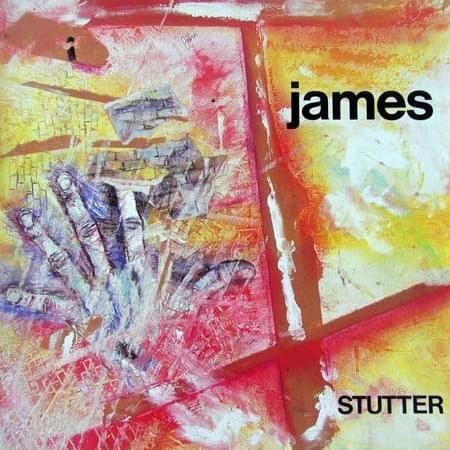
 View Artist