Song Meaning
The lyrics paint a picture of profound insecurity, where the narrator's sense of self is entirely contingent on another's validation. The opening lines, "As long as I'm enough for you / Please say it / Or I'm lost some way," immediately establish this precarious emotional state. Doubt is explicitly named as a "constant theme," suggesting a deep-seated fear of inadequacy that permeates the narrator's existence. This yearning for reassurance highlights a desperate need for external affirmation to feel whole or even to exist.
The central tension arises from the narrator's struggle with this dependence and the perceived abandonment by a loved one. The repeated question, "If time is inevitable / How could you leave me alone?" underscores a feeling of being left behind, despite the natural progression of time. This implies a belief that the loved one's departure is a personal affront, a betrayal that defies the inevitability of temporal change. The phrase "false alarms" further suggests a history of dashed hopes, intensifying the pain of this current perceived abandonment.
The striking image of being "like a pink salt lake" offers a unique perspective on the narrator's internal landscape. This could suggest a state of beautiful desolation, a place that is visually striking but inherently barren and perhaps even toxic. The "warmth, it drifts" implies a fading connection or a loss of emotional heat, leaving behind a cold, crystalline emptiness. The uncertainty, captured in "nobody's really sure," reflects a shared confusion or a breakdown in communication, leaving the narrator adrift in this desolate, self-defined space.
Ultimately, the effectiveness of these lyrics lies in their raw portrayal of vulnerability and the unsettling imagery used to express it. The direct plea for validation and the existential questioning create a palpable sense of anxiety. The "pink salt lake" metaphor, while abstract, powerfully conveys a feeling of isolated beauty tinged with a profound sense of loss and uncertainty, making the narrator's internal struggle feel both specific and deeply resonant.
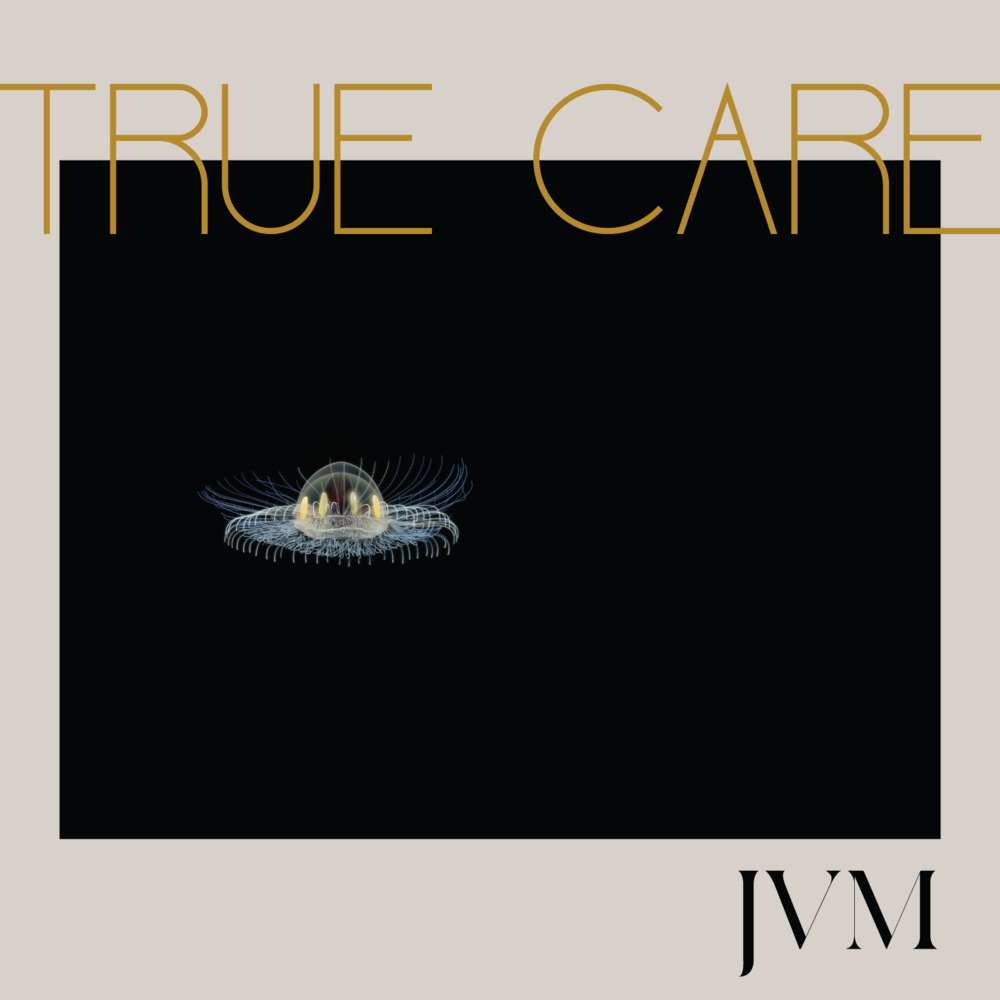
 View Artist