Song Meaning
James Taylor's "You Can Close Your Eyes," especially in this live rendition, isn't just a lullaby; it's a masterclass in emotional reassurance delivered with folksy simplicity. The song's genius lies in its understanding of vulnerability and the quiet strength found in shared moments. Stripped of grand pronouncements, the lyrics offer a gentle haven from the world's relentless spin. The opening lines, "Well the sun is surely sinkin' down / But the moon is slowly risin'," establish a natural rhythm, a comforting certainty in the face of daily anxieties. It's a promise that even as one thing fades, another emerges, and through it all, love endures. That simple declaration, "And I still love you," anchors the entire song. It is a timeless message of unwavering affection.
The chorus is the heart of the song's meaning, a tender offering of solace. "So close your eyes / You can close your eyes, it's all right" is an invitation to surrender to the moment, to find peace in the present. The self-deprecating lines that follow – "I don't know no love songs / And I can't sing the blues anymore" – are disarmingly honest. Taylor acknowledges his limitations, yet offers the one thing he can: this very song. It suggests that true comfort isn't found in elaborate displays, but in the authenticity of shared expression.
Ultimately, "You Can Close Your Eyes" transcends its simple structure to become a profound statement about connection and enduring love. The promise that "you can sing this song / When I'm gone" hints at a legacy of comfort, a way to keep the spirit of the relationship alive even in absence. It is a reminder that even the simplest gestures of affection can have a lasting impact, echoing through time and offering solace long after the moment has passed. The song's meaning resides not in lyrical complexity, but in its raw emotional honesty and its enduring message of love's unwavering presence.
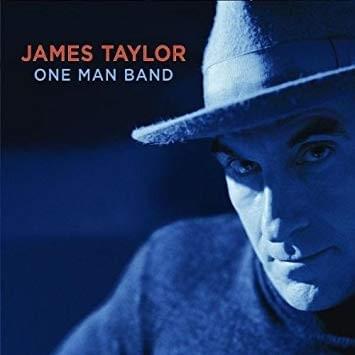
 View Artist