Song Meaning
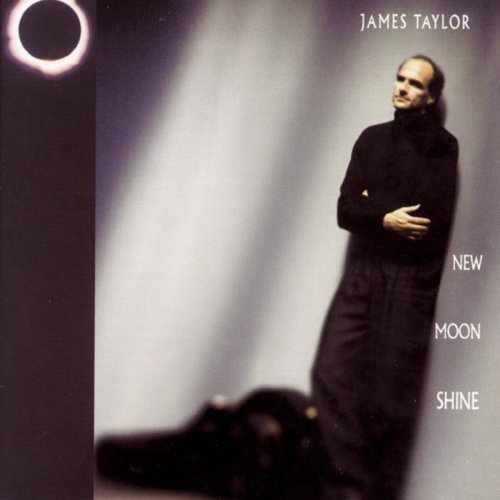
James Taylor's rendition of "The Water Is Wide" isn't just a folk song; it's a masterclass in emotional navigation. The titular water isn't merely a geographical obstacle. It’s the chasm of vulnerability, the seemingly insurmountable distance between two souls yearning for connection. Taylor's gentle delivery underscores the quiet desperation inherent in the lyrics. The speaker lacks the innate ability ("wings to fly") to bridge this gap alone, acknowledging a fundamental human limitation. The repeated plea to "build me a boat that can carry two" becomes a poignant metaphor for shared effort, a recognition that love requires active construction and collaborative navigation. The boat isn't a passive vessel but a shared project, demanding both commitment and labor.
The song's middle verses introduce a layered complexity. The image of a heavily laden ship sailing the sea symbolizes the weight of the world, perhaps even the baggage of past relationships. Yet, the singer asserts that their love is even deeper, an all-consuming force that threatens to overwhelm them. This depth, however, carries an inherent risk: "I know not how I sink or swim." It's a raw admission of love's unpredictable nature, the precarious balance between euphoria and despair. The psychological undercurrent here is powerful – a willingness to surrender to the unknown, despite the potential for heartbreak.
Finally, the stark acknowledgement that "love grows old and waxes cold" injects a dose of realism into the romantic idealism. The fleeting nature of initial infatuation is likened to "summer dew," a beautiful but ephemeral phenomenon. This isn't cynicism, but rather a mature understanding of love's lifecycle. It suggests that enduring love requires more than just initial passion; it demands continuous effort, the constant rowing of the metaphorical boat, to combat the inevitable fading. Taylor's interpretation transforms a simple folk melody into a profound meditation on the challenges and complexities of lasting love, emphasizing the necessity of shared vulnerability and persistent dedication.
 View Artist