Song Meaning
James Taylor’s "That Lonesome Road" isn’t just a stroll; it’s a stark confrontation with the self, a journey born of regret and fueled by a desperate need for forward momentum. The song meaning resides in the solitude it embraces, a solitude not of peace, but of consequence. This isn’t a carefree wanderer; this is someone exiled to their own company, burdened by past missteps. The road itself becomes a metaphor for accountability, each step a reminder of the distance created by his own actions. The instruction to avoid looking back isn't about forgetting, but about preventing paralysis. It suggests the past is a siren song, capable of luring him into further despair and inaction.
The core of the song's emotional weight lies in the confessional verse. The simple construction of "If I had..." repeated three times, lays bare the singer's awareness of his own failings. The lyrics indicate a failure not of grand proportions, but of simple human connection: not listening, not observing, not balancing intellect with emotion. These weren't catastrophic errors, but small neglects that accumulated into a significant rupture. He's not lamenting external forces, but internal shortcomings. The road is a direct result of his inability to engage fully with the world around him. This self-awareness, however painful, is also the engine that drives him onward.
The recurring image of the "silver moon" offers a glimmer of hope amidst the somber landscape. It's not a beacon of redemption, but a temporary respite, a permission to rest and gather strength. Even in this lonesome state, nature provides a source of solace, a reminder of the world's beauty that persists despite personal failings. The instruction to "carry on, carry on, never mind feeling sorry for yourself" becomes a mantra of resilience. It's a tough-love approach to self-pity, acknowledging the pain while simultaneously rejecting its power to define him. The song, therefore, is not an endorsement of isolation, but a testament to the human capacity for endurance and the possibility of finding a path forward, even when paved with regret. James Taylor uses the "That Lonesome Road" lyrics to explore the landscape of personal responsibility.
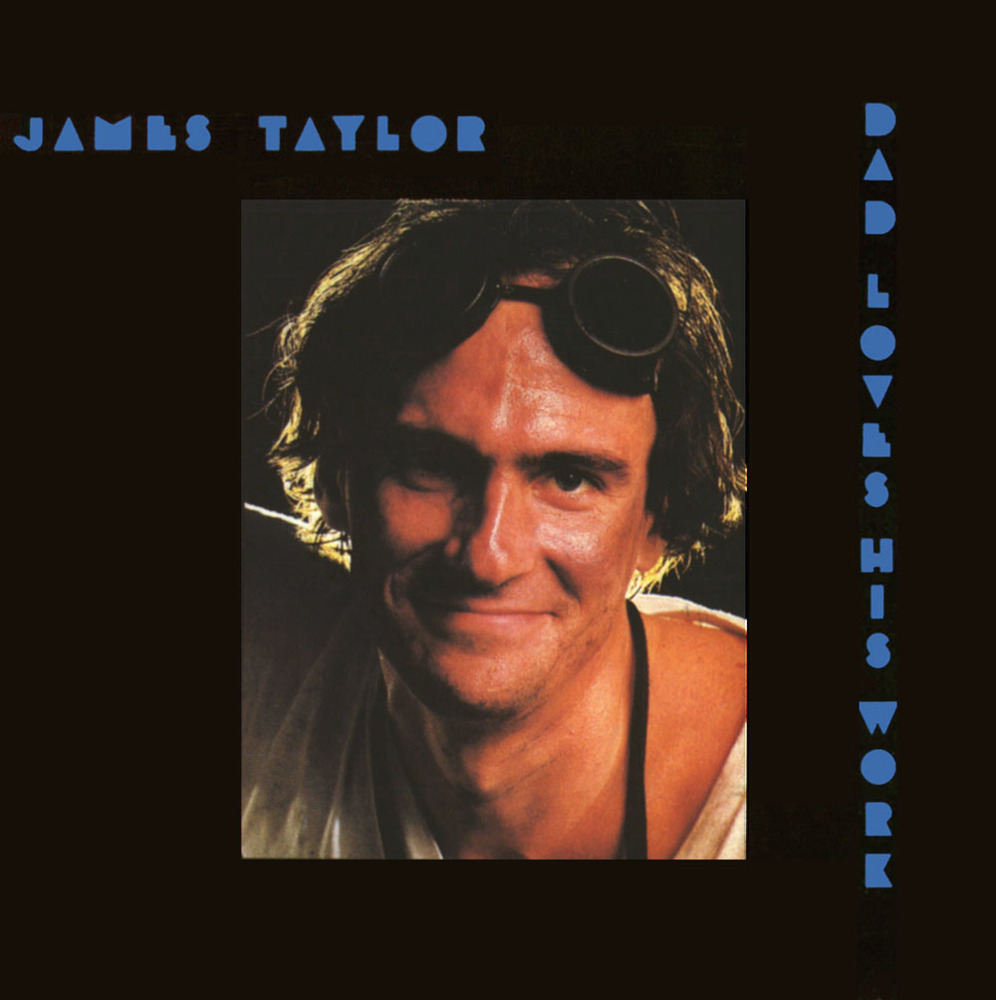
 View Artist