Song Meaning
James Taylor's "Places in My Past" isn't just a wistful glance backward; it’s a masterclass in melancholic acceptance. The song meaning resides in that delicate space between regret and gratitude, a territory Taylor has always mapped with uncanny precision. He's not wallowing in lost love, but acknowledging its profound impact. The "lovely ladies in these lazy days" are less about romance and more about the echoes of connection, the reverberations of intimacy that shape who we become. He admits to having "loved me one or two," a casual understatement that hints at a deeper, more complex emotional history. It's this sense of lived experience, the accumulation of joys and sorrows, that gives the song its weight.
The "fading faces in a waking dream" suggests the ephemeral nature of memory, how the past blurs and distorts over time. Taylor isn't trying to recapture those moments perfectly; he's simply recognizing their presence, their lingering influence on his present self. The line about "dead head miles and the insincere smiles" points to the inevitable disappointments and disillusionments that come with age and experience. Yet, even these less-than-perfect memories hold a certain value. They're part of the tapestry of life, woven into the fabric of our being.
Ultimately, "Places in My Past" is a song about coming to terms with the transient nature of relationships and the enduring power of memory. The recurring ambivalence – "Hold on to them close or let them go, oh no / I don't know" – captures the essential tension of human existence: the struggle to reconcile our longing for permanence with the reality of constant change. Taylor's apology "for the friends I used to know" isn't necessarily an admission of wrongdoing, but rather an acknowledgement of the distance that time and circumstance inevitably create. It’s a gentle, almost prayerful, recognition of the shared journey, the paths diverged, and the enduring bond of shared experience.
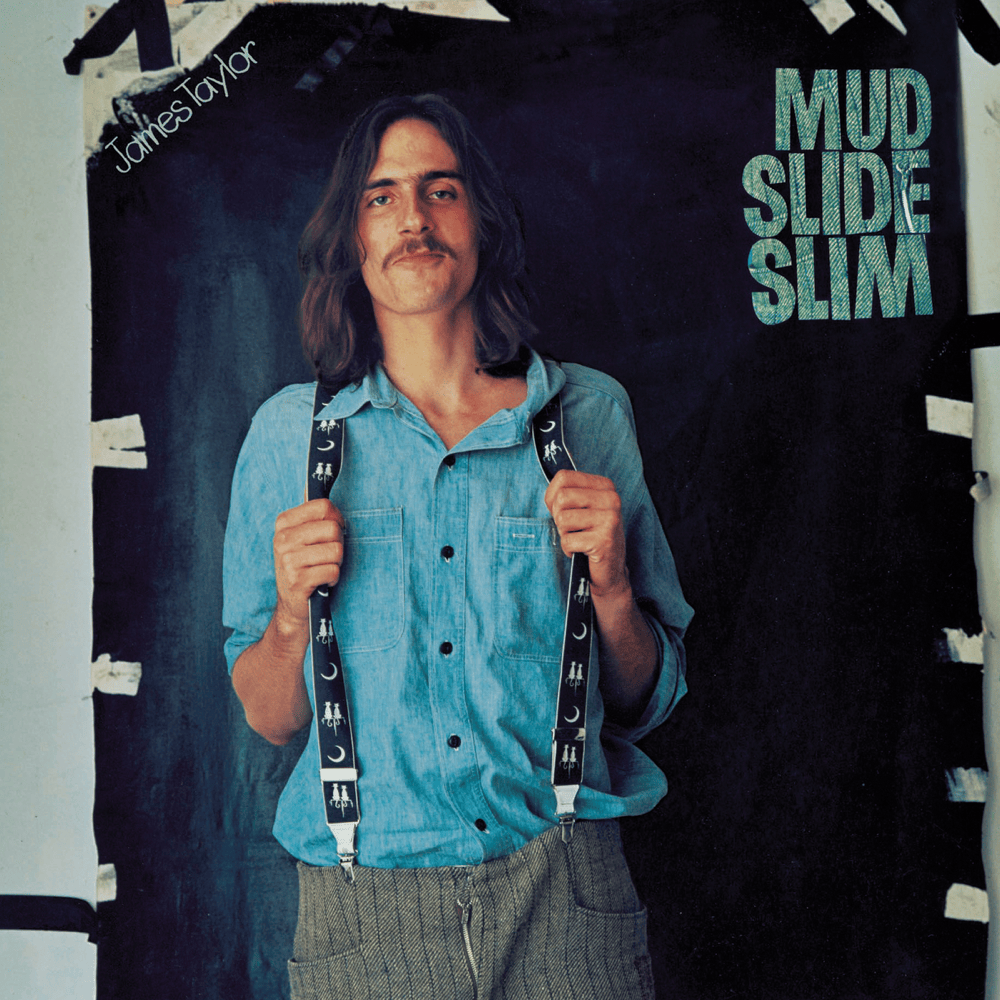
 View Artist