Song Meaning
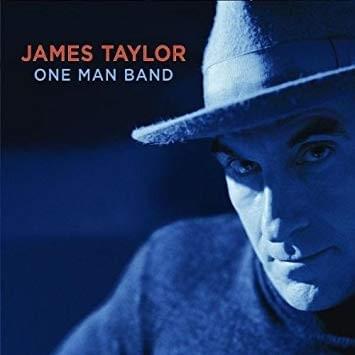
{"song_id": 14383521, "meaning": "James Taylor's \"Mean Old Man,\" especially in this live rendition, is a deceptively simple confession of personal evolution, a sort of psychological striptease set to a gentle acoustic backdrop. The song meaning revolves around the stark contrast between a past self, mired in negativity and self-inflicted misery, and a present self offered a glimmer of redemption. It's not just about recognizing past failings; it's about acknowledging the transformative power of an external force – a 'clever you' – capable of leading one out of the darkness. The lyrics paint a vivid picture of the titular character’s former life: 'a nasty tyke who was hard to like,' someone who 'did things in reverse' and was generally unpleasant. This wasn't just a phase; it was a deeply ingrained pattern of behavior, a 'hundred years of rain' within his own psyche.
The core of the song lies in this recognition of self-sabotage. Taylor isn't just listing flaws; he's implicating himself in the creation of his own unhappiness. The lines 'riches to rags / With just myself to blame' cut deep, suggesting a fall from grace brought on by his own actions. This isn’t a tale of external victimhood, but one of internal responsibility. The repetition of 'silly me / silly old me' carries a weight of regret, but also a hint of self-forgiveness, a necessary step towards change. The turning point arrives with the introduction of the 'clever you,' a catalyst for transformation. This figure represents hope, guidance, and perhaps most importantly, acceptance.
The final verse is a jubilant embrace of this newfound potential. The series of rhetorical questions – 'Who gets a second chance? / Who gets to have some fun?' – underscores the rarity and preciousness of this opportunity. The transformation into a 'golden retriever puppy dog' is a powerful metaphor for unconditional love and the shedding of past burdens. It’s an admission of vulnerability, a willingness to be led and to embrace joy after a lifetime of self-imposed misery. Ultimately, “Mean Old Man” isn't just about acknowledging a difficult past; it's about celebrating the possibility of change, and the profound impact that another person can have on our journey toward self-acceptance and happiness."}
 View Artist