Song Meaning
James Otto's "Timebomb (2025 Remaster)" doesn't just tell a story; it excavates a legacy, a warning passed down through the haze of honky-tonk nights and black label regrets. The song, ostensibly a portrait of a hard-living musician, quickly reveals itself as a deeper meditation on inherited burdens and the seductive, destructive power of the 'highlife.' The opening verse paints a familiar picture: the guitar-slinging, whiskey-soaked performer, idealized through the eyes of a son. But this romanticized image is immediately undercut by the chorus, a father's cautionary tale urging his son to avoid the well-trodden path of excess. It’s a confession, steeped in both pride and regret, acknowledging the toll a life of performance and indulgence exacts.
The chorus anchors the song’s central conflict: the allure of the stage versus the corrosive effects of the lifestyle it often demands. The father, despite having seen "the lowdown on the highlife," remains trapped, a testament to the difficulty of escaping self-destructive patterns. This isn't just about addiction; it's about the cyclical nature of behavior, the way traumas and tendencies can be passed down through generations. The lines, "The blues and the bottle held him under their spell/Took him to heaven and put us through hell," starkly illustrate this push and pull, the temporary euphoria followed by devastating consequences. The 'heaven' isn't literal but rather the intoxicating validation of the stage, the fleeting escape from reality.
Ultimately, "Timebomb" functions as both a tribute and a plea. The son, now seemingly following in his father's footsteps, acknowledges the presence of his father's "restless spirit" within him. This inherited energy is both a gift and a curse, fueling his own artistic drive while simultaneously threatening to lead him down the same destructive path. The song’s power lies in its refusal to offer easy answers. It doesn’t condemn the father or glorify the lifestyle; instead, it presents a raw, unflinching portrayal of a family grappling with the consequences of choices made and the daunting task of breaking free from a predetermined fate. The repeated refrain, "But still here I am," carries a heavy weight – a resignation, perhaps, but also a stubborn refusal to be completely consumed by the ticking time bomb within.
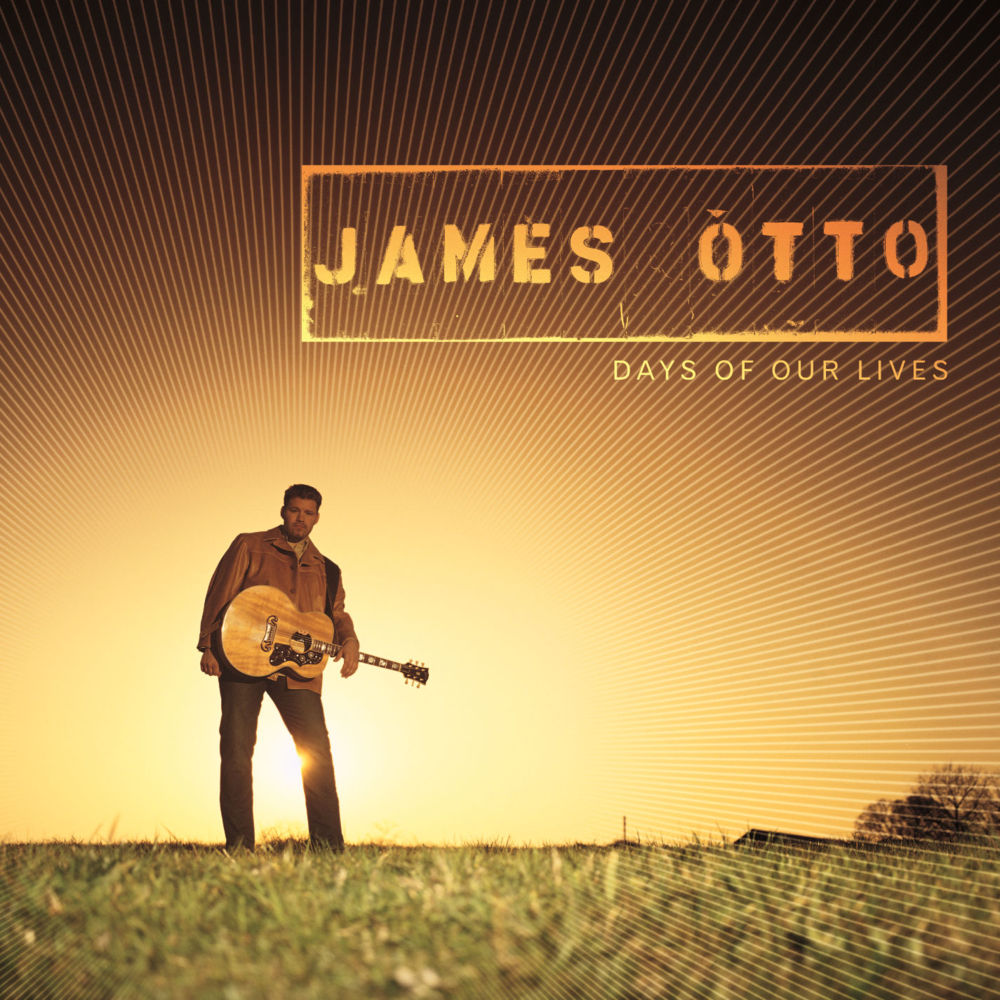
 View Artist