Song Meaning
James McMurtry's "Out Here in the Middle" is not just a geographical descriptor; it's a state of mind, a refuge, and a sardonic commentary all rolled into one dusty package. The song paints a portrait of rural America as an antidote to the perceived ills of urban life, but McMurtry, ever the astute observer, doesn't let his heartland off the hook either. The opening verses detail the petty frustrations of city living – car break-ins, restaurant snubs, workplace woes – experiences that trigger a longing for simpler times and places. This sets the stage for the chorus, an invitation to a seemingly idyllic "middle" where parking is easy, seats are available, and old-fashioned decency supposedly reigns. The repeated line, "Wish you were here my love," underscores the narrator's yearning to share this sanctuary. But is it really a sanctuary, or just a different flavor of disillusionment?
McMurtry's genius lies in his ability to expose the complexities beneath the surface. The verses that follow chip away at the romanticized image of rural America. We're introduced to "tractor pulls and Red Man chew," a nod to the stereotypical pastimes of the region. Then comes the more cutting observation about "corporate relo refugees that need love too," suggesting that even this seemingly authentic space is being infiltrated by the same forces driving people away from the cities. The line, "We got justification for wealth and greed / Amber waves of grain and bathtub speed," is a particularly sharp juxtaposition, highlighting the hypocrisy and hidden darkness that can fester even in the most wholesome-seeming environments. Even the arrival of a Starbucks hints at the creeping homogenization of American culture, threatening to erase the very qualities that made this "middle" so appealing in the first place.
The song's political undertones add another layer of meaning. The reference to William Jennings Bryan, a populist orator from the late 19th and early 20th centuries, evokes a sense of traditional, conservative values. The line, "Out here in the middle where the center's on the right," makes it clear that this is a place where certain ideologies hold sway. Yet, McMurtry doesn't present this as inherently negative. Instead, he suggests that even in this politically charged environment, there's a desire to "save the lonely souls in the dashboard lights," a poignant image of empathy and connection. The final chorus, with its mention of "buffalo roam[ing]" and the screening of "all applicants with a fine tooth comb," is perhaps the most ambiguous. Is it a celebration of freedom and self-determination, or a veiled critique of exclusionary practices? Like any great work of art, "Out Here in the Middle" doesn't offer easy answers. Instead, it invites us to grapple with the contradictions and complexities of American identity, and to question our own notions of home and belonging.
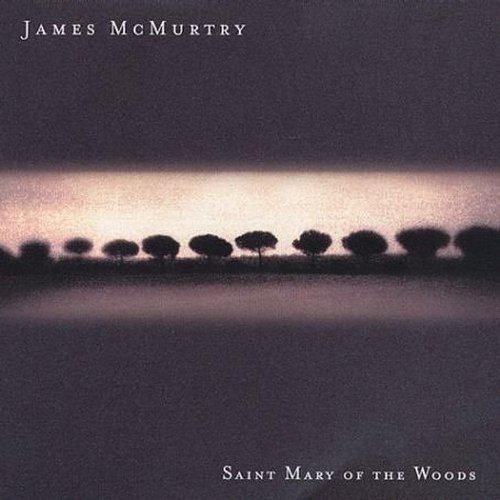
 View Artist