Song Meaning
James McMurtry’s “Ole Slew Foot” isn't just a backwoods yarn about a bear; it's a sly, self-deprecating portrait of primal urges and the futility of control. The titular bear, a mythic beast of immense size and untamed appetite, immediately establishes a conflict between civilization and the wild. The urgency in the opening lines – "Bear tracks bear tracks coming after me" – suggests a threat, but also a recognition, a primal echo resonating within the speaker.
The bear's description is key: "big around the middle and he's broad across the rump / Making ninety miles an hour taking thirty feet a jump." This isn't just a bear; it's a force of nature, an embodiment of unchecked desire. The crucial line, "Some folks say he looks a lot like me," throws the entire song into a new light. The bear becomes a stand-in for the speaker's own base instincts, his appetites, his resistance to being tamed. The failed bee venture reinforces this. He attempts to profit from nature, to control it, but Ole Slew Foot steals the honey, illustrating the untamable nature of both the external world and the internal one.
The final verse, with its talk of winter and trapping, hints at a desire to subdue these impulses. "We'll chase him up the holler, run him in the well / And shoot him in the bottom just to listen to him yell" is a brutal image, suggesting a painful, perhaps futile, attempt to suppress the wild within. The fact that the speaker wants to inflict pain "just to listen to him yell" implies both a desperate need for control and a cruel enjoyment in the act of domination. Ultimately, "Ole Slew Foot" is a darkly humorous meditation on the tension between our civilized selves and the untamed animal lurking beneath the surface.
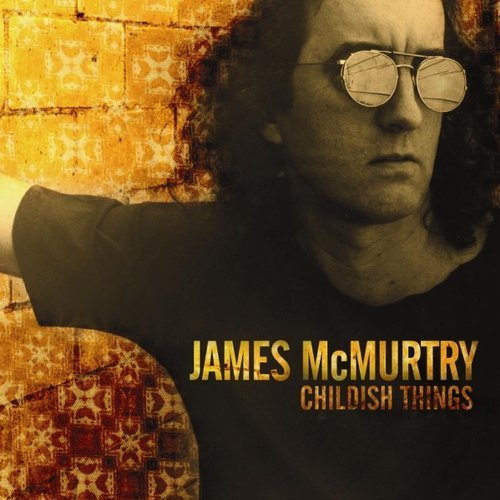
 View Artist