Song Meaning
The narrator is caught in a moment of overwhelming pressure, desperately wishing for a pause button on life. The plea to "stop the city for one damn minute" isn't literal, but a raw expression of needing respite from an unbearable pace. This immediate need for breath sets a tone of frantic urgency.
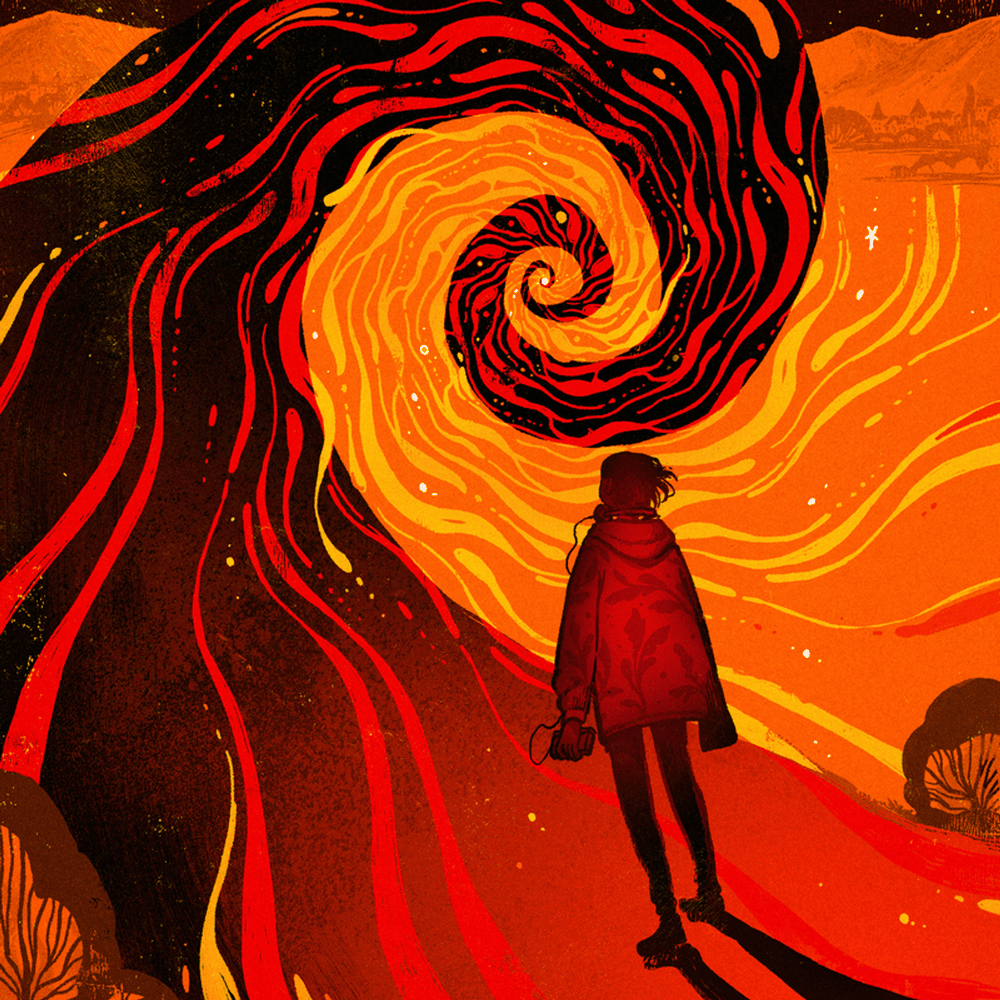
The core tension lies in the stark contrast between a remembered, idealized past and the present reality of irreversible change. The repeated question, "did it look like that?" and "did I look like that?" reveals a deep-seated doubt about memory and a longing for a lost perfection. This yearning is met with the resigned, almost mournful, acknowledgment that "nothing stays the same" and "everything has changed."
The most striking craft element is the direct, almost conversational questioning of memory and self-perception. The narrator grapples with whether their recollection of a "perfect" past is accurate or a romanticized illusion. The desire to "pause and reverse the track" is a powerful, albeit futile, wish to undo the passage of time and the transformations it brings.
This lyrical fragment hits hard because it taps into a universal human experience: the disorienting feeling of time slipping away and the painful realization that cherished moments and even our past selves are irretrievable. The simple, direct language amplifies the emotional weight, making the narrator's struggle with change feel intensely personal and relatable.
 View Artist