Song Meaning
James LaBrie's "Coming Home" isn't the celebratory anthem its title might suggest. Instead, it's a stark, emotionally raw farewell. The opening lines, heavy with the metaphor of "angry skies are falling," immediately establish a sense of impending doom and inescapable fate. The repeated phrase, "I won't be coming home," is not a statement of travel, but a final, heartbreaking declaration. The song grapples with themes of sacrifice, acceptance, and the painful recognition of a path from which there is no return. The plea for understanding underscores the internal conflict; a desperate hope that loved ones will comprehend the impossible choice that has been made. This isn't about physical distance; it’s about a deeper, more profound separation.
The lyrics paint a portrait of a man wrestling with an unbearable burden. He asks to be remembered for who he truly is, suggesting a life lived perhaps under a mask or a weight of expectation. The lines "More to gain from dying" are particularly chilling, hinting at a profound sense of despair or perhaps a twisted sense of duty that outweighs the value of his own life. The repeated requests to tell his wife, best friend, and children of his love serve as both a goodbye and a desperate attempt to leave behind a legacy of affection in the face of irreversible action. The bridge, with its fragmented thoughts ("What if I told you then/Could you help me/Would you help to/Set me free"), provides a glimpse into a past moment of potential intervention, a road not taken that now haunts the present.
The inclusion of "Apathy" as a distinct section is crucial to understanding the song's core. Is it the singer's apathy, the world's apathy, or both? It suggests a disconnection, a numbing of emotions that has led to this point of no return. It implies a world where no one cared enough to intervene, or perhaps a personal failure to connect and seek help. The final repetition of "I won't be coming home" solidifies the sense of finality. It's not just a statement; it's an acceptance, a resignation to a fate that, while tragic, is seen as the only possible outcome. "Coming Home," therefore, becomes a powerful and unsettling exploration of loss, sacrifice, and the heavy weight of choices made in the face of overwhelming circumstances.
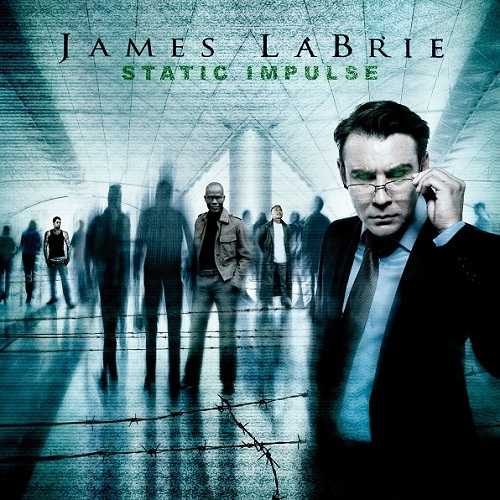
 View Artist