Song Meaning
The lyrics paint a picture of a deliberate, almost ritualistic exchange: the vast, untamed "sea" for the grounded, intimate "shore." The narrator finds himself captivated by a romantic encounter, so much so that he willingly abandons his former life, symbolized by the "freighters" and the "sea." This isn't a reluctant departure, but a conscious choice made under the spell of a new love, with the repetition of "I traded the sea for the shore" emphasizing the finality and significance of this decision. The imagery shifts from the distant, dancing lights of ships on water to the immediate, silvered wet streets and the soft glow of streetlamps, all grounding the experience in a tangible, romantic present.
The central tension lies in the narrator's willing surrender of a potentially adventurous or perhaps solitary existence for the comfort and connection offered by a relationship. He's "lost in her arms," a phrase that suggests both enchantment and a loss of self to the moment. The backward glance "from where I had come" hints at the magnitude of what he's leaving behind, yet the act of trading is presented as absolute. The horn of a freighter calling "home wayward sailors" serves as a final, poignant reminder of the life he's forsaking, a call he actively ignores in favor of the intimacy found "at the foot of her stairs."
The most striking craft element is the persistent, almost hypnotic repetition of the central phrase, "I traded the sea for the shore." This refrain acts as both a declaration and a mantra, reinforcing the narrator's commitment to his new path. The contrast between the expansive, potentially lonely "sea" and the intimate, grounded "shore" is powerfully evoked through subtle shifts in light imagery – from the dancing lights of distant freighters to the moonlit streets and the warm glow of streetlamps and sunlight on a lover's skin. This progression visually anchors the narrator's emotional shift from a life of outward movement to one of inward focus and connection.
Ultimately, these lyrics resonate because they capture a profound moment of personal reorientation, driven by romantic connection. The writing effectively uses contrasting imagery and insistent repetition to convey the weight and allure of choosing intimacy over a life of broader, perhaps more solitary, horizons. The narrator's willing exchange, detailed through sensory experiences of light and touch, makes the decision feel both deeply personal and universally understood as a pivotal life choice.
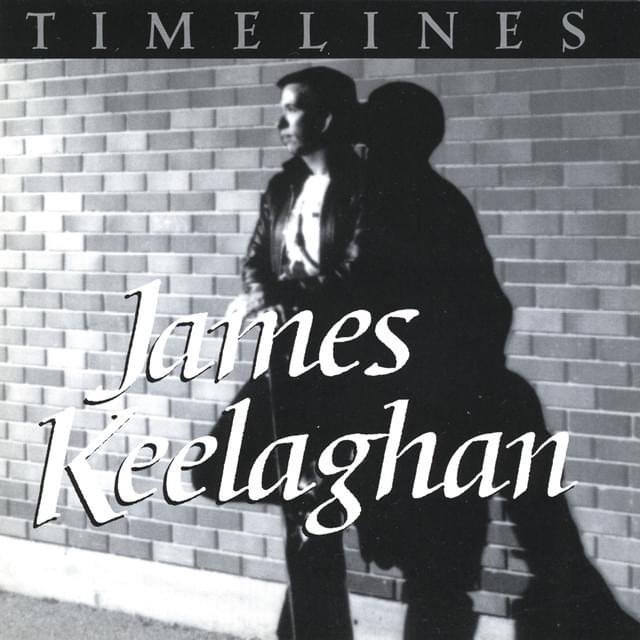
 View Artist