Song Meaning
The lyrics paint a stark picture of a love that began with absolute certainty, a mutual "freely gave away our hearts" and a promise to "never part." This initial, almost naive, idealism is shattered by a sudden departure, leaving the narrator in a state of profound loneliness and regret. The contrast between the initial commitment and the current despair is the core of the song's emotional weight, highlighting a painful disconnect between past promises and present reality. The narrator is trapped in a cycle of longing, unable to move past the memory of the relationship.
The central tension lies in the narrator's desperate plea to rekindle a lost connection against the backdrop of their own emotional collapse. They explicitly reject external reminders of heartbreak, stating "Don't wanna hear another sad old song," suggesting a need to shield themselves from further pain while simultaneously being consumed by their own. This internal conflict is amplified by the repeated phrase "I never thought that I'd miss someone," underscoring the unexpected depth of their current suffering and the feeling of being overwhelmed. The desperation is palpable as they plead, "Won't you give love one more try."
The most striking aspect of the craft is the persistent, almost hypnotic, repetition of the phrase "barely hangin' on." This refrain acts as a raw, unfiltered expression of the narrator's fragile state, emphasizing their struggle to maintain any semblance of stability. The lyrics also employ a powerful contrast between the vivid memory of the lost love, where "I close my eyes I fell you in my arms again," and the harsh reality of their solitude. This juxtaposition of idealized recollection and painful present fuels the narrator's inability to let go, making their plea for another chance feel both heartbreaking and futile.
What makes these lyrics hit so hard is their directness and the raw vulnerability they convey. The simple, declarative statements about missing someone and the struggle to cope create an immediate emotional resonance. The narrator isn't trying to be poetic; they are simply stating their pain and their desperate hope. The recurring imagery of trying to hold on, coupled with the feeling of impending collapse, makes the listener feel the weight of their emotional burden, capturing the essence of a love that has left someone teetering on the edge.
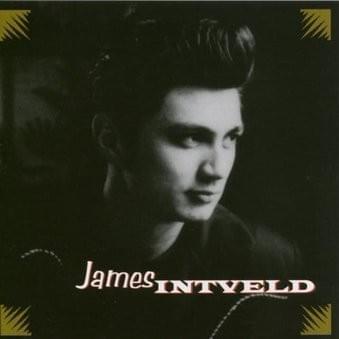
 View Artist