Song Meaning
The lyrics paint a picture of a cyclical, perhaps destructive, relationship that the narrator can't seem to escape. The opening lines set a scene of finality – "the last race is run," "the betting's over" – suggesting an end to something significant. Yet, this perceived closure is immediately undercut by the phrase "And then you remember who I am," implying that despite the end of external events, the personal connection, and the pattern it dictates, is about to restart. This sets up the core tension: a desire for resolution versus an inevitable return to the familiar dynamic.
The central conflict appears to be the narrator's awareness of this pattern and their inability to break free from it. Phrases like "We're running out of time, still we pretend" and "I've got no time left to spend" highlight a sense of urgency and futility. The repeated "again, again" acts as a desperate acknowledgment of this cycle, a resigned sigh that underscores the lack of progress or genuine change. It’s a loop built on pretense, where time is slipping away but the core action – the call, the restart – remains constant.
The most striking aspect of the craft is the stark contrast between the imagery of endings and the reality of continuation. The "last race" and the "end" of a "book" are powerful metaphors for finality, but they are immediately followed by the act of remembering and calling, which triggers the repetition. This juxtaposition creates a feeling of being trapped; the external markers of conclusion are rendered meaningless by the internal, relational imperative to start over. The sheer repetition of "again" at the end hammers this point home, leaving the listener with a sense of inescapable momentum.
This lyrical structure is effective because it mirrors the feeling of being stuck in a loop. The initial sense of a definitive end is quickly dismantled, creating a disorienting yet relatable experience for anyone who has found themselves repeating past mistakes or behaviors. The narrator’s resigned tone, coupled with the relentless repetition, conveys a profound sense of weariness and a quiet desperation that makes the cyclical nature of their situation palpable and the inevitable call feel heavy and poignant.
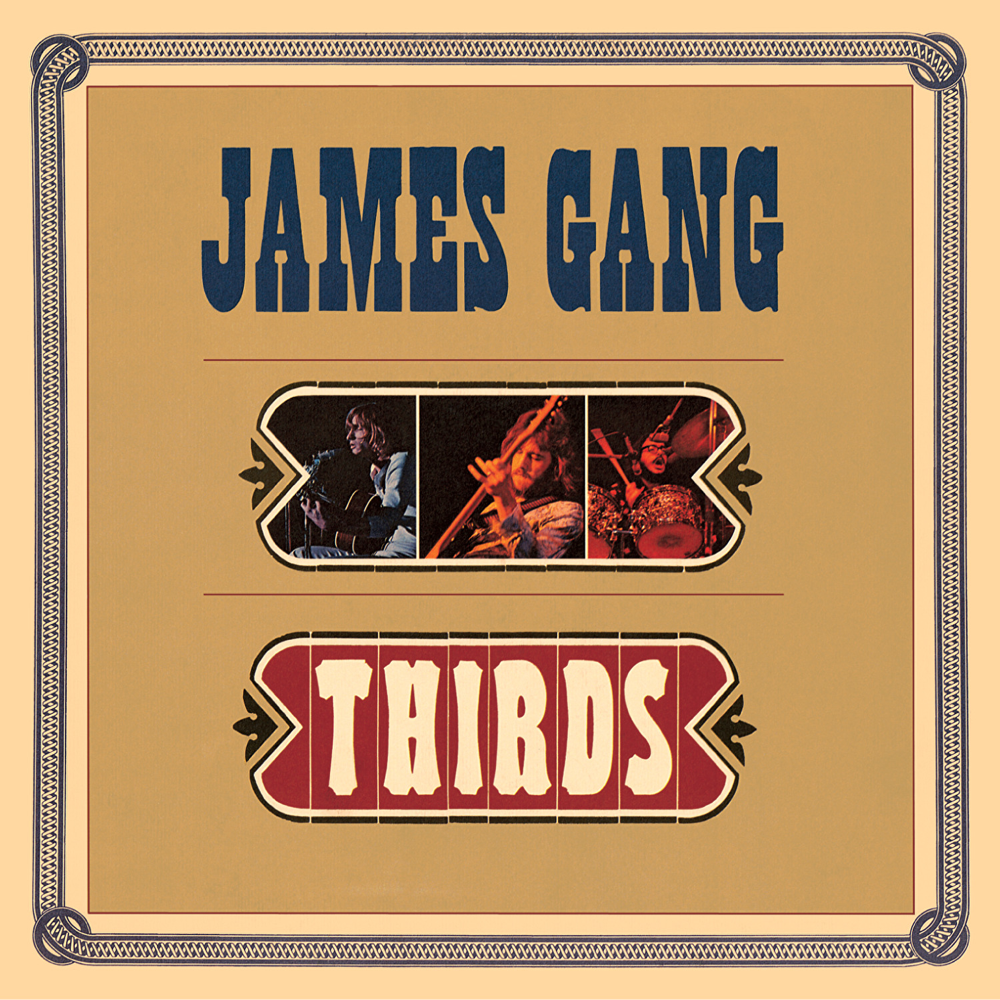
 View Artist