Song Meaning
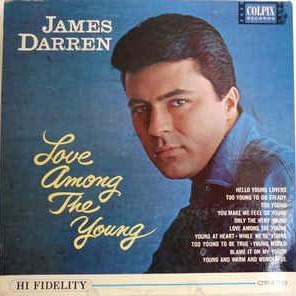
James Darren's rendition of "Young at Heart" isn't just a breezy mid-century tune; it's a deceptively profound meditation on mindset as destiny. The song's core argument hinges on the idea that 'youth' isn't a matter of chronology but a psychological posture. It suggests that maintaining a youthful spirit—characterized by open-mindedness, resilience in the face of setbacks, and an embrace of life's possibilities—is the true key to a fulfilling existence. The lyrics subtly equate cynicism with aging, implying that a 'narrow of mind' is an affliction more than a natural consequence of growing older. Darren isn't simply advocating for optimism; he's proposing a radical re-evaluation of how we define and experience aging itself.
The song's genius lies in its understanding of human motivation. It acknowledges the inherent human desire to 'survive to 105' and subtly positions a 'young at heart' attitude as the most effective strategy for achieving that longevity. The promise of a 'head start' isn't literal; it’s a psychological advantage. By framing a positive outlook as a valuable asset, Darren shrewdly appeals to our self-interest, making the case for youthful exuberance not as a naive ideal, but as a pragmatic life choice. The mention of 'impossible schemes' and dreams that 'fall apart' hints at a willingness to take risks, a defining characteristic of youth that often fades with age and societal pressure.
Ultimately, "Young at Heart", as performed by James Darren, speaks to the enduring power of perspective. It suggests that our subjective experience of life is shaped more by our internal state than by external circumstances. The "Young at Heart" lyrics imply that this mindset is a 'treasure' superior to material wealth, a source of continuous excitement, and a magnet for love itself. Darren's interpretation, imbued with a certain Rat Pack-era swagger, delivers this message with an effortless charm, making it a timeless anthem for anyone seeking to defy the limitations of time and circumstance.
 View Artist