Song Meaning
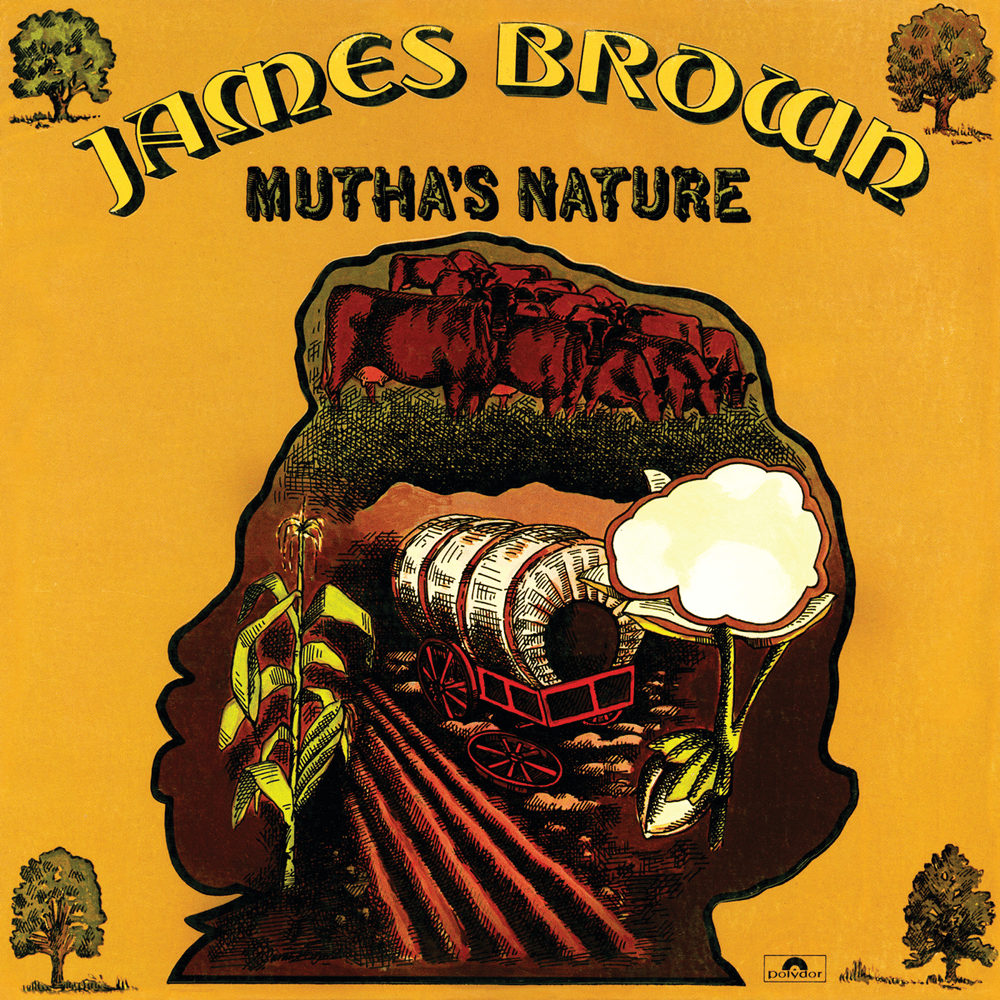
{"song_id": 12427281, "meaning": "James Brown's take on \"Summertime\" isn't just a breezy seasonal snapshot; it's a lullaby steeped in the complexities of the American dream, or perhaps, its illusion. The repeated invocation of 'Summertime and the livin' is easy' immediately sets a tone of idyllic comfort, reinforced by images of jumping fish and high cotton – symbols of natural abundance and economic prosperity. But the promise rings hollow when considered against the backdrop of American history, particularly for Brown, an artist whose career was forged in the crucible of the Civil Rights movement. Is this 'easy livin'' truly accessible to all, or is it a privilege reserved for a select few, mirroring the societal inequalities Brown fought against? The lines about a 'daddy's rich' and 'mamma's good lookin'' further complicate the picture, suggesting that social and economic advantages are often inherited, perpetuating cycles of privilege.
The song's core message seems to be directed at a 'little baby,' urging them to 'hush' and 'don't you cry.' On the surface, it's a comforting sentiment, promising protection and security. However, the line 'One of these mornings, you're going to rise up singing, then you'll spread your wings and you'll take to the sky' hints at a future liberation, a moment of transcendence. This future glory is juxtaposed with the present reality of needing to be quieted, suggesting a tension between aspiration and suppression. Is the 'hush little baby' a call for patience, or a warning against disrupting the status quo?
Ultimately, Brown's rendition of \"Summertime\", regardless of his intention, becomes a poignant commentary on the inherent contradictions within the American promise. It's a song that simultaneously celebrates the potential for a carefree existence while subtly acknowledging the systemic barriers that prevent its universal realization. The lullaby's comforting facade barely conceals a deeper, more unsettling question: who truly gets to experience the ease of 'Summertime,' and at what cost?"}
 View Artist