Song Meaning
James Brown's "Suffering With the Blues" isn't just a lament; it's a raw, existential reckoning with guilt and the agonizing question of deserved pain. The song strips the blues down to its barest emotional components: a vague sense of wrongdoing, a present state of suffering, and a desperate, unanswered "why." Brown doesn't detail a specific transgression. Instead, the power lies in the universality of regret, the haunting suspicion that past actions, however unintentional, have karmic consequences. It's the psychological weight of accountability, even when the ledger of wrongs remains frustratingly opaque.
The lyrics circle around a core of self-blame. The repeated lines – "Somewhere, somehow / I did someone wrong" – act as a mantra of self-condemnation. Brown isn't seeking absolution; he's trapped in a loop of uncertainty, tormented by the lack of clarity. The question "Why does your love taunt me / And haunt me through the night?" reveals a potential source of his suffering: lost love. But even here, the emphasis remains on his own culpability. He assumes responsibility for the relational breakdown, internalizing the belief that he "must have hurt you deep down inside."
Ultimately, "Suffering With the Blues" transcends simple heartbreak. It delves into the human condition, exploring the ways we grapple with our past selves and the potential for inflicting pain, knowingly or unknowingly. The song's power resides in its ambiguity. It's not about what was done, but the lingering emotional fallout – the blues as a consequence of an unconfessed, and perhaps unidentifiable, sin. Brown captures the essence of this psychological torment, leaving the listener to confront their own ghosts and the nagging possibility that they, too, are "suffering with the blues" for reasons they can't quite grasp.
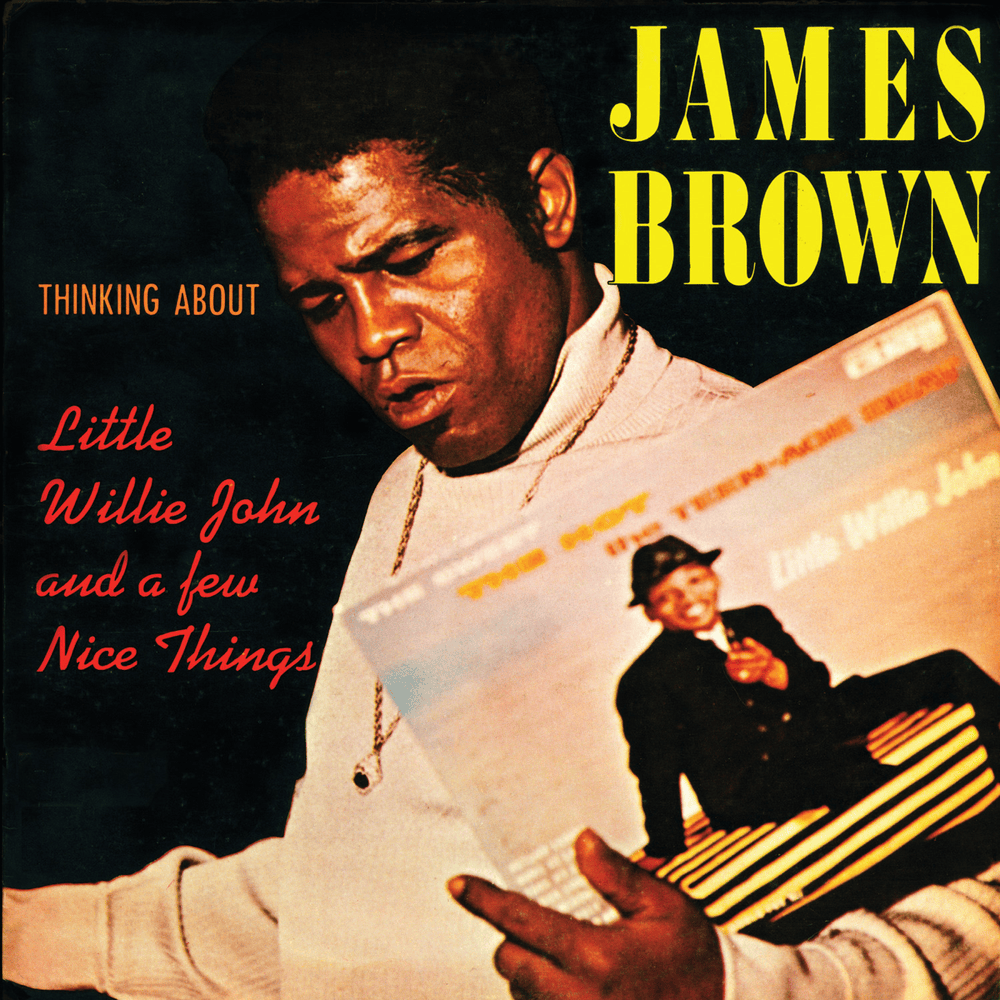
 View Artist