Song Meaning
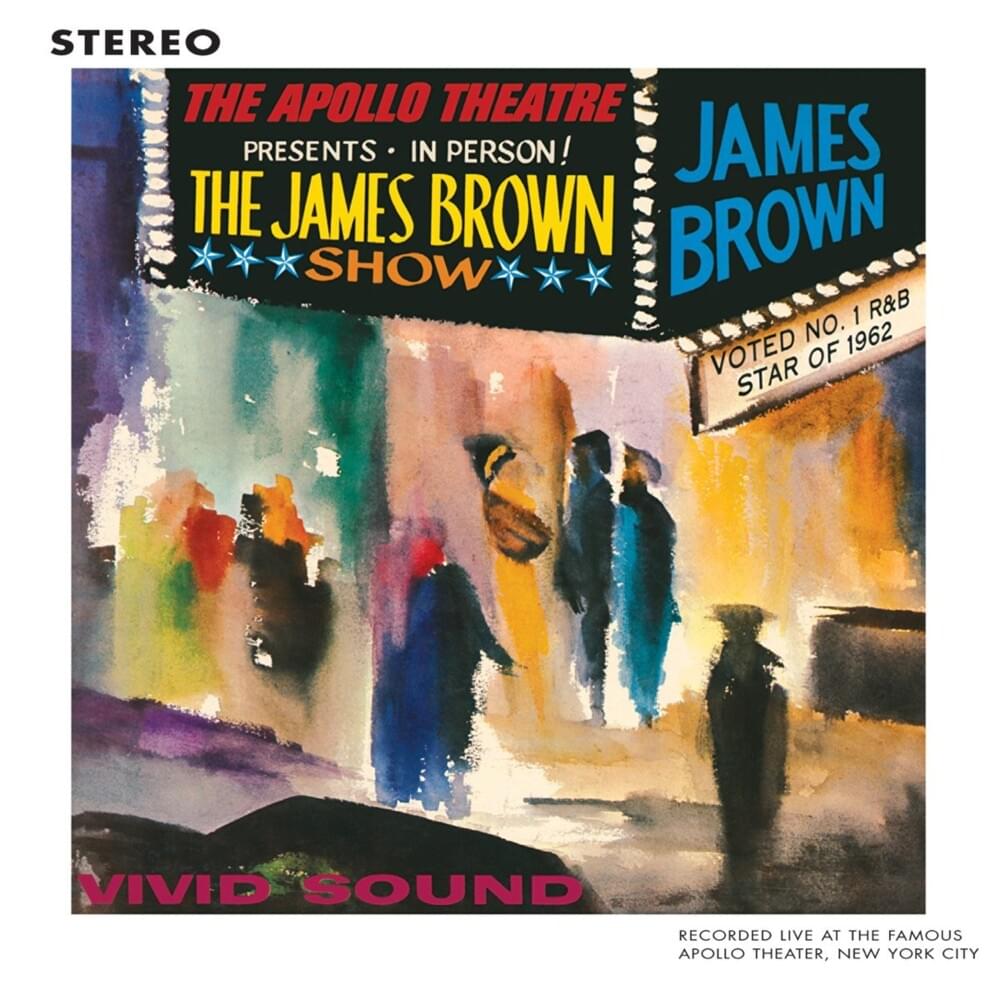
{"song_id": 12423019, "meaning": "Before stadium-sized spectacle, before the cape, there was James Brown and a microphone, laying down a swagger that could melt steel. \"I Don't Mind (Live 1962)\" isn't just a song; it's a masterclass in emotional detachment weaponized as a power play. The seemingly simple lyrics, repetitive as a mantra, belie a complex game of push and pull. Brown isn't pleading or begging; he's setting the terms of engagement, or rather, disengagement. The phrase \"I don't mind\" becomes a shield, deflecting the listener's potential assumptions of vulnerability.
The genius lies in the chorus: \"But I know, I know, you gonna miss me.\" This isn't arrogance; it's a calculated assertion of self-worth, a pre-emptive strike against the inevitable regret the other person will face. Brown anticipates the future imbalance of power, positioning himself as the one who will be missed, the one whose absence will sting. The \"lovesick soul\" he mentions is not his own, but the object of his impending departure. The repetition of \"I don't mind\" in each verse drills home the message: he is emotionally free, unburdened by the relationship's potential demise.
Ultimately, \"I Don't Mind\" is a study in controlled indifference. It's not about a lack of feeling, but rather a strategic deployment of apathy. The song meaning resides in the quiet confidence that permeates every note, every repetition. James Brown isn't just singing; he's performing a psychological ballet, asserting dominance through emotional withdrawal. In the context of early 60s soul, this wasn't just innovative; it was revolutionary, laying the groundwork for a career built on unwavering self-assurance and raw, untamed energy."}
 View Artist