Song Meaning
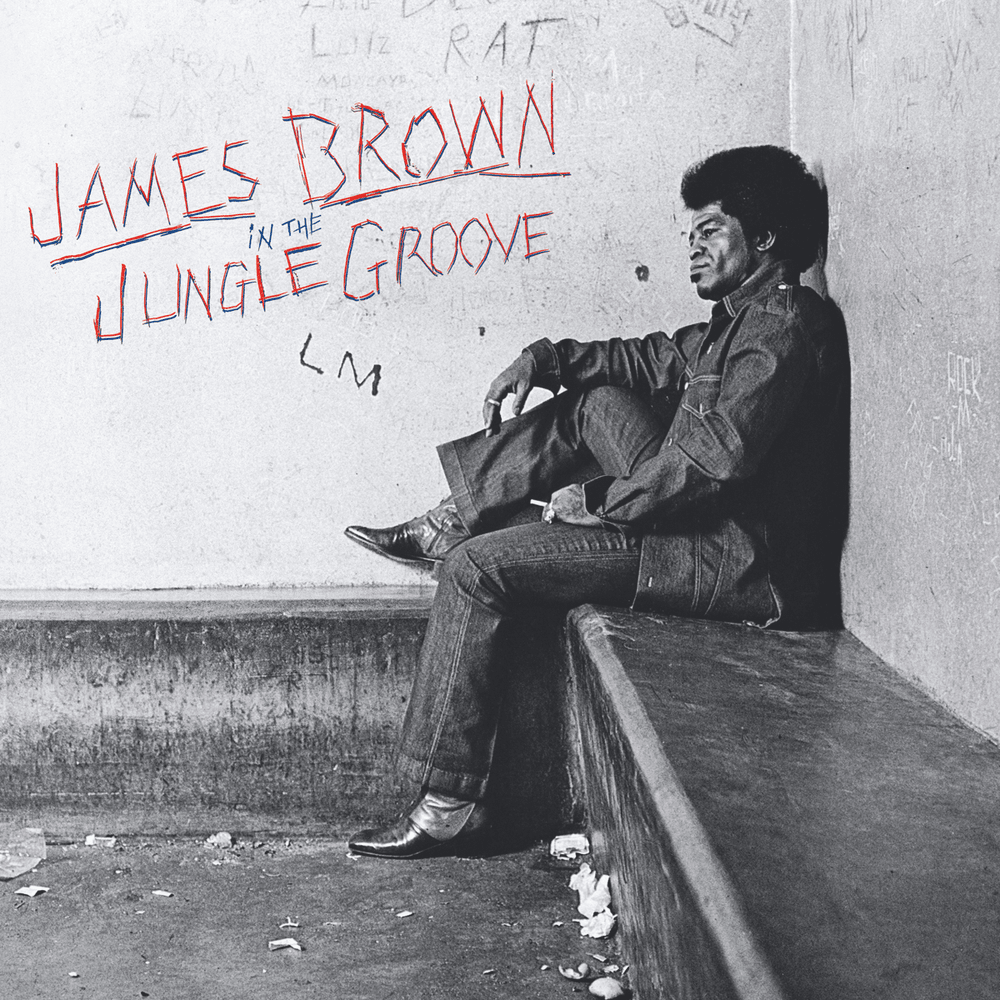
Before sampling became ubiquitous, there was "Funky Drummer (Bonus Beat Reprise)," a raw, elemental slice of James Brown's genius that inadvertently reshaped modern music. Stripped to its barest bones, the track is less a song and more a primal scream of rhythm, dominated by Clyde Stubblefield's legendary drum break. The lyrics, such as they are, consist almost entirely of the rhetorical question, "Ain't it funky?" – a query so insistent, so self-assured, it transcends mere inquiry and becomes a statement of fact, a challenge, and an invitation all at once. Brown's interjections, grunts, and calls act as both punctuation and incitement, urging the rhythm forward into ever deeper grooves. It's a masterclass in minimalist expression, proving that sometimes, less truly is more.
But the song's true meaning lies not just in its repetitive simplicity, but in its implicit understanding of the power of rhythm to bypass the intellect and tap directly into the body's innate sense of movement and feeling. The insistent repetition creates a hypnotic effect, drawing the listener into a state of pure, unadulterated funk. The question "Ain't it funky?" becomes less about objective assessment and more about shared experience, a communal affirmation of the music's undeniable power. It's a question that answers itself, a self-fulfilling prophecy of groove.
The legacy of "Funky Drummer (Bonus Beat Reprise)" is undeniable. Its drum break has been sampled thousands of times, forming the backbone of countless hip-hop, electronic, and pop tracks. But beneath the surface of its ubiquity lies a deeper truth: the song is a testament to the power of rhythm to unite, to liberate, and to transcend the limitations of language. It's a reminder that sometimes, all you need is a beat, a question, and a whole lot of funk to create something truly timeless.
 View Artist