Song Meaning
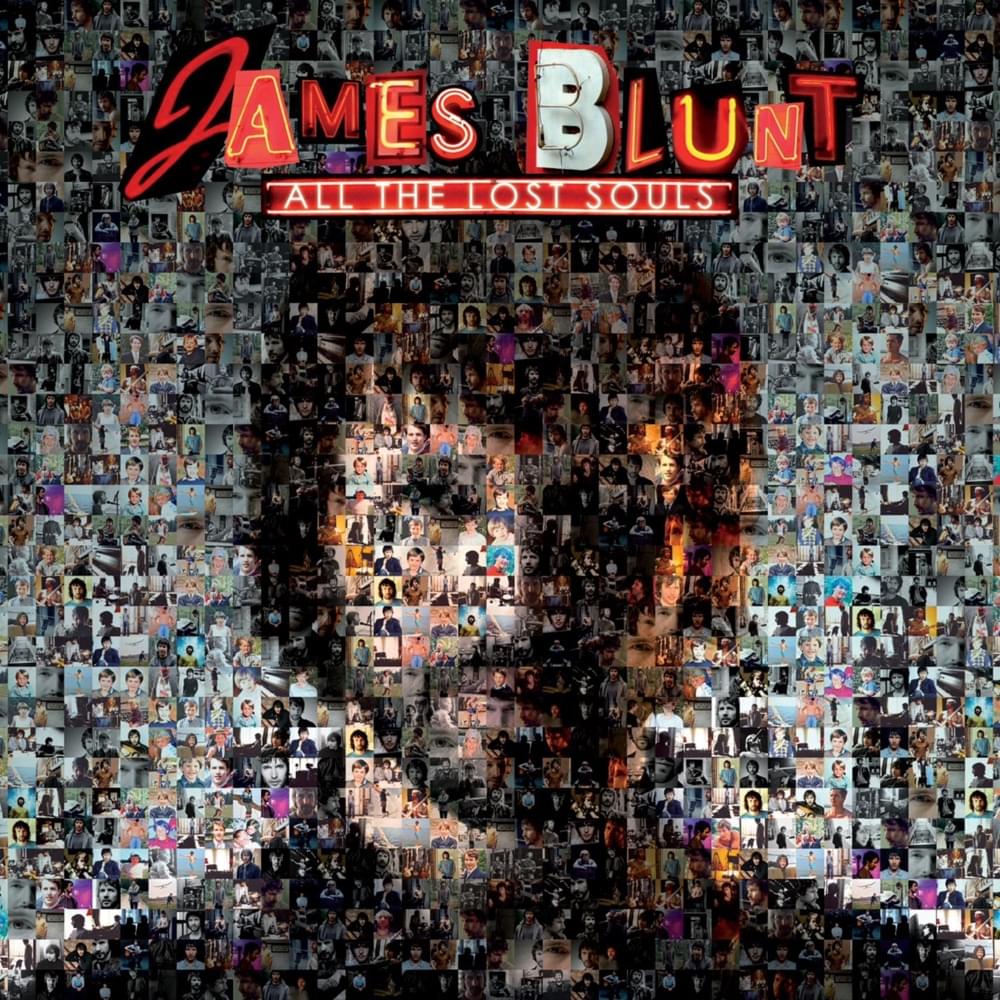
James Blunt's "I Can't Hear the Music" isn't just a lament; it's a stark diagnosis of creative and personal alienation. The song kicks off with a barrage of existential questions – "Is it a warning? Is it an evil sign?" – immediately establishing a sense of unease and disorientation. Blunt isn't just pondering simple queries; he's wrestling with the creeping dread of losing his way, both artistically and personally. The recurring motif of time running out underscores this anxiety, suggesting a fear of creative stagnation and the irreversible choices that lead to it. The lyrics hint at a Faustian bargain: "you sell your soul for a leading role." The "leading role" could represent fame, success, or even just acceptance, but the price is the potential loss of artistic integrity and connection. The fear is that in chasing these external validations, "The Lost Souls" – those who remain true to themselves – will be forgotten. The music itself, the very essence of his being, fades away.
The chorus, with its image of dancing alone as the audience disappears, is particularly haunting. It speaks to the isolation that can accompany artistic pursuits, especially when authenticity is compromised. The reference to the "Lonely Hearts' Club Band" evokes a yearning for camaraderie and shared experience, a desire to find solace in the company of fellow outsiders. Yet, even that imagined connection is tinged with melancholy, as they play "one last song before the sun goes down." The bridge introduces a jarring narrative shift with the lines "Run, Yoshimi, run / 'Cause Billy's got himself a gun." This sudden burst of violence and paranoia disrupts the introspective mood, suggesting a world where creativity and individuality are not only misunderstood but actively threatened. Yoshimi, likely a nod to The Flaming Lips' Yoshimi Battles the Pink Robots, becomes a symbol of vulnerable artistry under attack.
Ultimately, "I Can't Hear the Music" is a cautionary tale about the dangers of compromising one's artistic vision for external validation. It's a song about the fear of losing touch with the very thing that defines you, of becoming a performer rather than an artist. The repetition of "And if I can't hear the music and the audience is gone, I'll dance" is not just an act of defiance, but a desperate attempt to reclaim that lost connection, to find meaning and purpose even in the face of isolation and disillusionment. The song resonates because it taps into a universal fear: the fear of losing ourselves in the pursuit of something that ultimately leaves us empty.
 View Artist