Song Meaning
James Blunt's acoustic rendition of "Fall at Your Feet" excavates the raw nerve of codependency. Stripped of bombast, the song becomes a stark portrayal of a relationship defined by unequal power dynamics and emotional sacrifice. The opening lines, "I'm really close tonight / And I feel like I'm moving inside her," hint at an almost invasive level of empathy, blurring the boundaries between self and other. This isn't just about understanding a partner; it's about inhabiting their emotional space, perhaps to an unhealthy degree. The repeated line, "Whenever I fall at your feet / Do you let your tears rain down on me?" exposes the core of the dynamic: a willingness to debase oneself, seemingly in exchange for access to the other person's vulnerability. It's a transaction built on suffering. The question is whether the tears are cleansing or manipulative.
The lyrics further suggest a sense of veiled communication and unspoken tension. "You're hiding from me now / There's something in the way that you're talkin' / Words don't sound right." This highlights the singer's acute awareness of the other person's emotional state, even when it's concealed. He's hyper-attuned, picking up on subtle cues and inconsistencies. This heightened sensitivity, while seemingly compassionate, can also be interpreted as a form of control, a need to decipher and manage the other person's feelings. The phrase "slow turning pain" is particularly evocative, suggesting a chronic, persistent suffering that the singer feels compelled to alleviate, or perhaps, exploit for connection.
The bridge, with its lines "The finger of blame has turned upon itself / And I'm more than willing to offer myself," reveals a masochistic tendency. The singer is not only willing to absorb the other person's pain but also to take responsibility for it, even when it's misplaced. This self-sacrificing posture raises questions about motivation. Is it genuine empathy, a desire for absolution, or a subconscious need to perpetuate the cycle of dependency? The final repetition of "I fall at your feet" underscores the cyclical nature of this dynamic, a pattern of submission and supplication that seems destined to repeat itself. In the context of James Blunt's wider discography, this song meaning positions itself as a confessional, an exploration of the darker corners of love and self-worth.
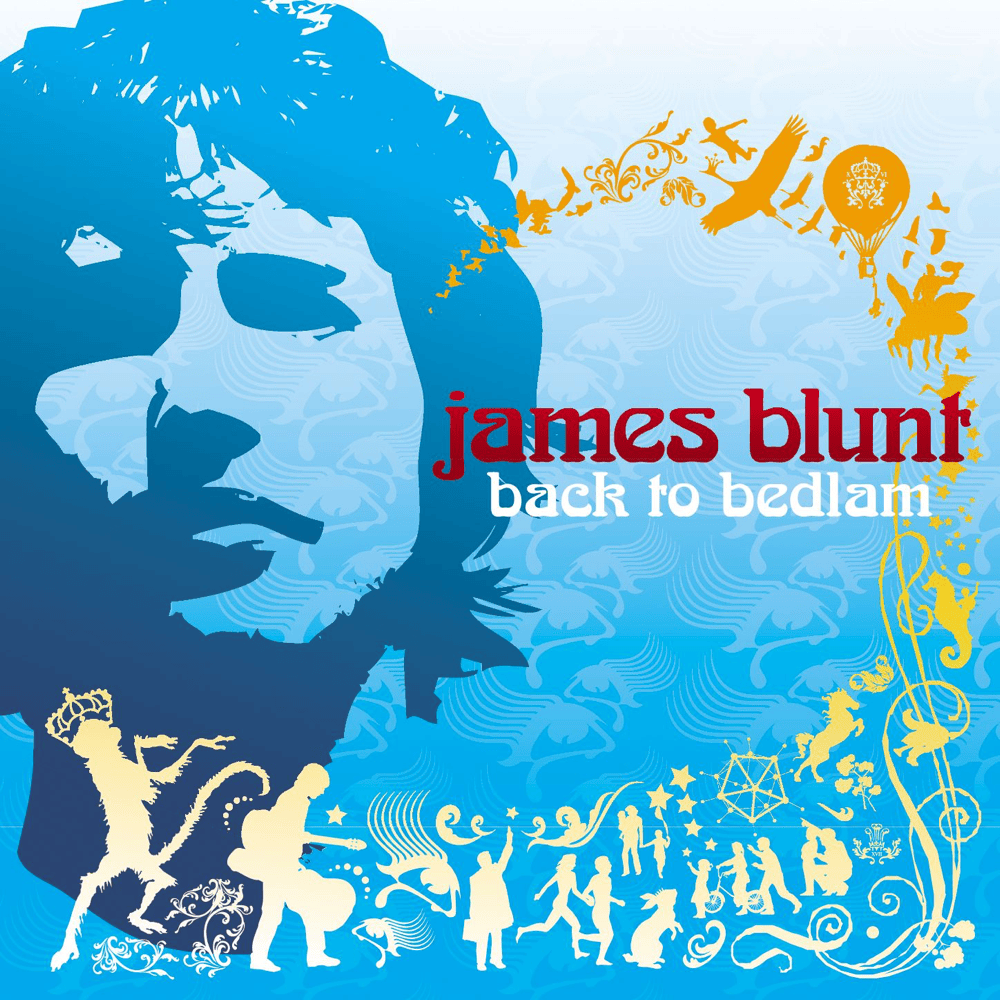
 View Artist