Song Meaning
James Blunt's "Best Laid Plans" dissects the anatomy of a relationship perpetually on the brink. It's not a tale of explosive drama, but rather the slow burn of unmet needs and unspoken anxieties. The lyrics paint a portrait of one partner desperately trying to salvage a connection while the other remains frustratingly aloof, perhaps even self-sabotaging. Blunt captures the agonizing push-and-pull dynamic with lines like, "The more that I hold on, the more that you let go," highlighting the futility of one-sided effort. The song's core isn't just about failed plans, but the unspoken question of why those plans crumble in the first place. Is it fear, a lack of trust, or a deeper incompatibility driving the wedge?
The repeated chorus, "Tell me why all the best laid plans fall apart in your hands," becomes a desperate plea for understanding. It's not an accusation, but a genuine attempt to decipher the other person's internal landscape. The phrase "my good intentions never end the way I meant" is particularly poignant. It speaks to the chasm between desire and execution, suggesting that even the most well-meaning gestures can be misinterpreted or rejected when the foundation is unstable. The reference to shadows and light in the opening verse further emphasizes this conflict: one partner seeks transparency and vulnerability, while the other retreats into darkness.
Beyond the immediate relationship dynamic, “Best Laid Plans” hints at a broader pattern of self-destructive behavior. The bridge, "It seems you only want the things that you can't have," suggests a deeper dissatisfaction driving the subject's actions. This line implies a potential for chasing unattainable ideals or relationships, ultimately dooming any chance of lasting happiness. The silence and avoidance of future discussions become weapons, creating emotional distance and preventing genuine intimacy. Ultimately, James Blunt crafts a resonant exploration of love's fragility and the heartbreaking realization that sometimes, even the best intentions can't overcome internal obstacles.
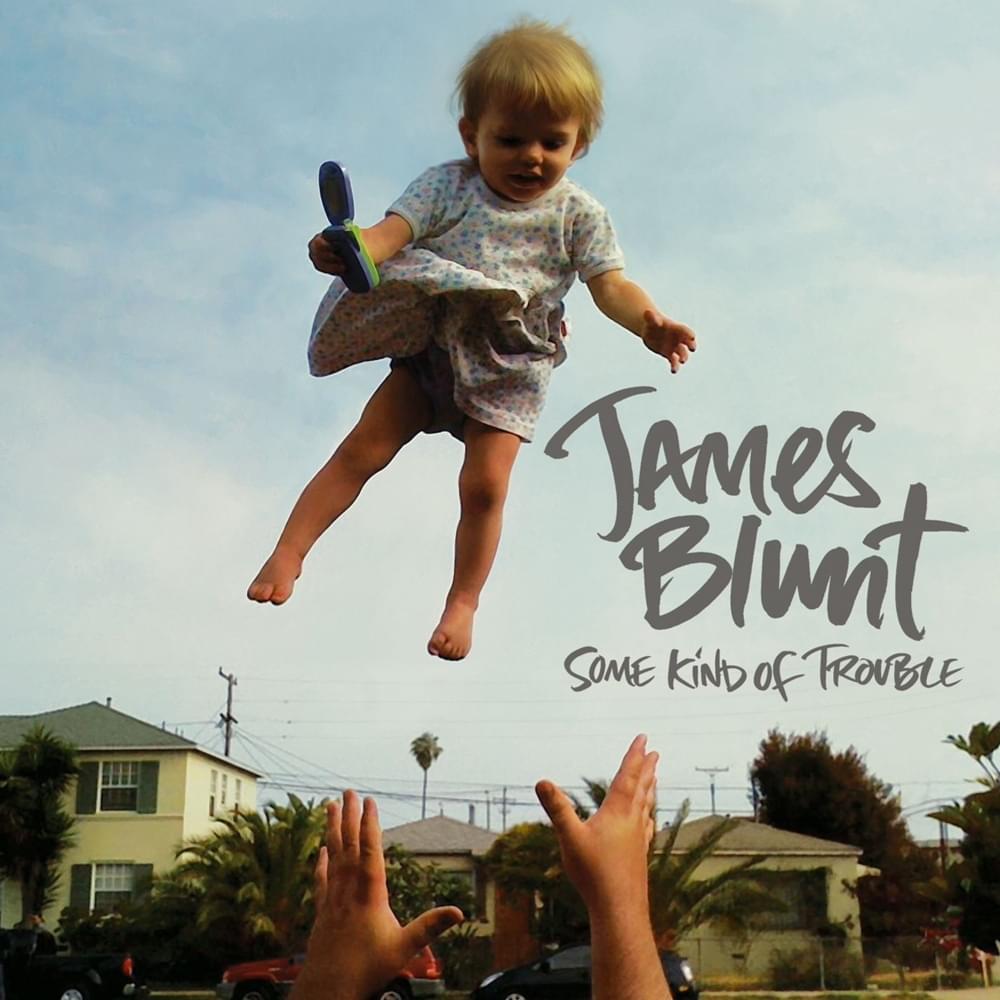
 View Artist