Song Meaning
The lyrics paint a stark picture of encroaching despair, where nightfall brings a return of "madness and the fears." This isn't just a simple sunset; it's a recurring darkness that feels oppressive and inescapable. The narrator grapples with an existential crisis, questioning their identity when external forces, whether "myth nor man," offer no support. This internal struggle is amplified by the persistent presence of "panic and the pain," suggesting a deep-seated anxiety that resurfaces with the darkness.
The central tension lies in the contrast between a desperate need for solace and the apparent absence of it. The line "Say not what you are, but what you were" hints at a longing for a past state of being, perhaps one less burdened by current anxieties. Yet, the recurring phrase "scarcity of miracles" underscores a profound lack of hope or divine intervention. This isn't a fleeting moment of doubt; it's a recognized condition, a state of being where extraordinary positive events are notably absent.
The most striking element is the interlude's historical allusions, juxtaposing the personal struggle with grander, perhaps more brutal, historical narratives. References to "Pizzaro and conquistadors" and "Valverde and the battle lines" evoke images of conquest, conflict, and the harsh realities of human endeavor. These historical echoes seem to frame the narrator's personal "madness and fears" not as unique, but as part of a larger, ongoing human experience of struggle and disappointment, where "everything it undermines."
Ultimately, the effectiveness of these lyrics stems from their unflinching portrayal of a bleak internal landscape, amplified by historical parallels. The repetition of "scarcity of miracles" acts as a grim refrain, solidifying the feeling of being trapped in a cycle of fear and pain without relief. The writing doesn't offer easy answers, instead grounding the listener in the palpable weight of this lack, making the emotional impact resonate deeply.
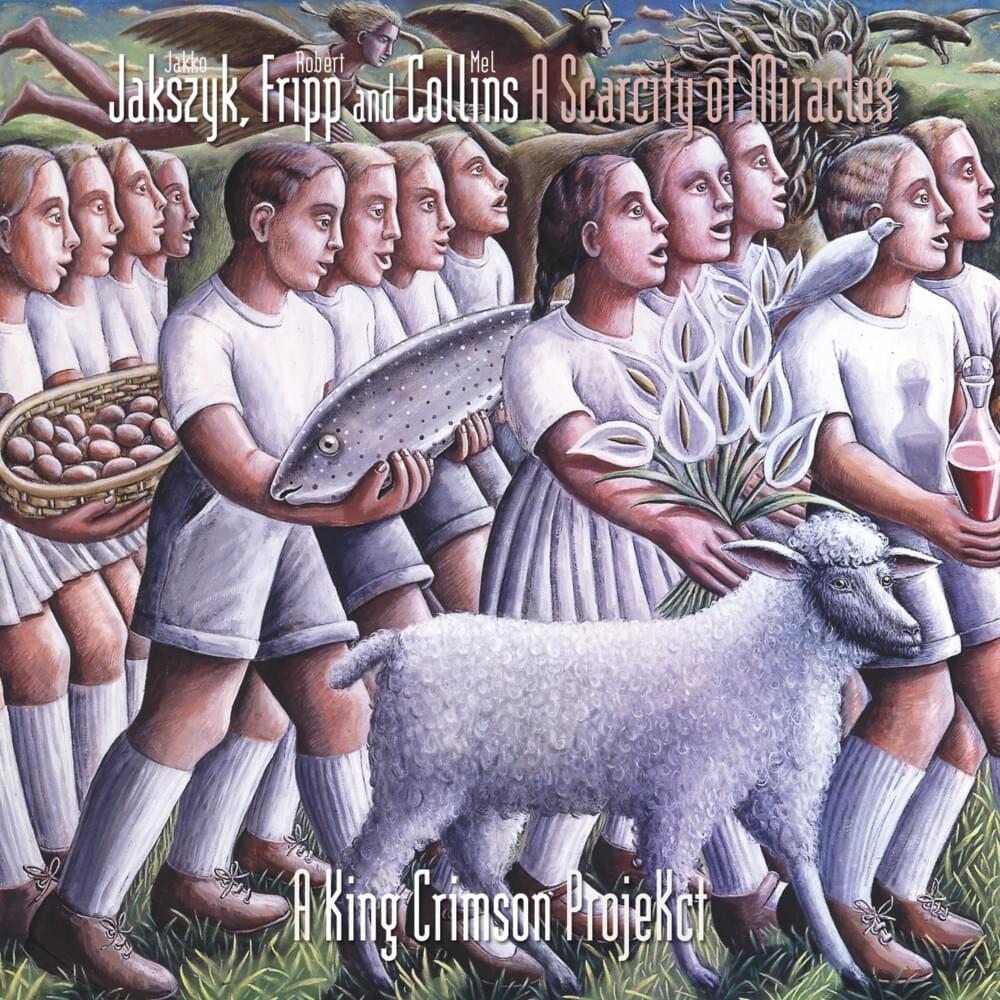
 View Artist