Song Meaning
Jake Bugg's "The Man On Stage" dissects the chasm between persona and person, a theme as old as show business itself, but delivered here with a particularly jaded edge. The lyrics paint a portrait of an artist wrestling with the inherent duplicity of performance. He's "looking down on the ones who changed," suggesting a detachment, perhaps even disdain, for those who've sacrificed authenticity for the sake of their art. The core of the song meaning lies in the chorus: "He took your heart with his art / And ran and left." This isn't just about a performer connecting with an audience; it's about a transactional relationship, a fleeting moment of vulnerability exploited for artistic gain, with the artist already eyeing the next conquest.
The phrase "projects his rage" hints at a deeper conflict within the artist. Is the rage genuine, or is it another carefully constructed element of the act? The line, "It's not the act he wants to stage," suggests a longing for something more authentic, a rebellion against the constraints of his own creation. Yet, he's trapped, compelled to perpetuate the cycle of emotional extraction. There's a sense of inevitability, a weariness in the face of constant performance.
Ultimately, "The Man On Stage" isn't a celebration of artistic expression; it's a cautionary tale about the corrosive effects of fame and the compromises demanded by a life lived under the spotlight. The "man on stage is not the same man you've met" serves as a stark warning: don't mistake the art for the artist, the performance for the person. Bugg seems to be suggesting that the price of artistic success is often a profound disconnect from genuine human connection, a perpetual chase for the next fleeting moment of validation in "the next town up ahead."
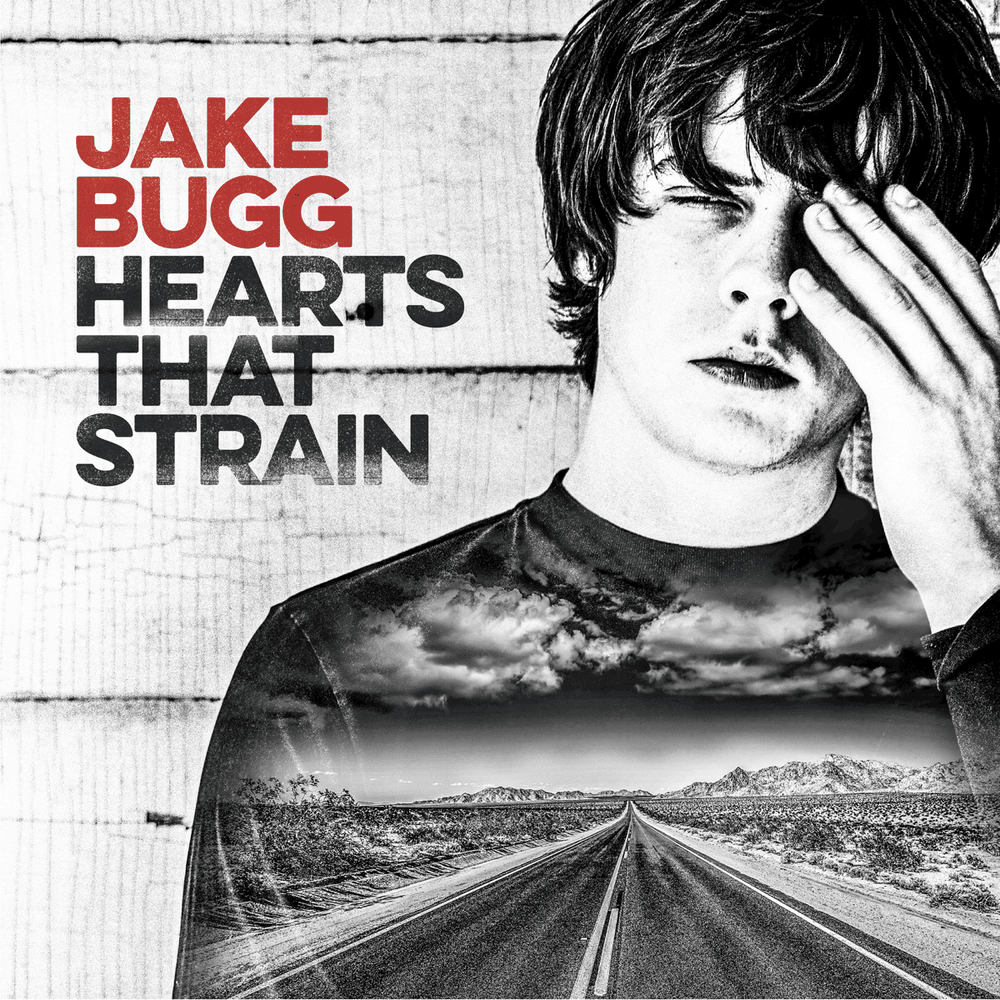
 View Artist