Song Meaning
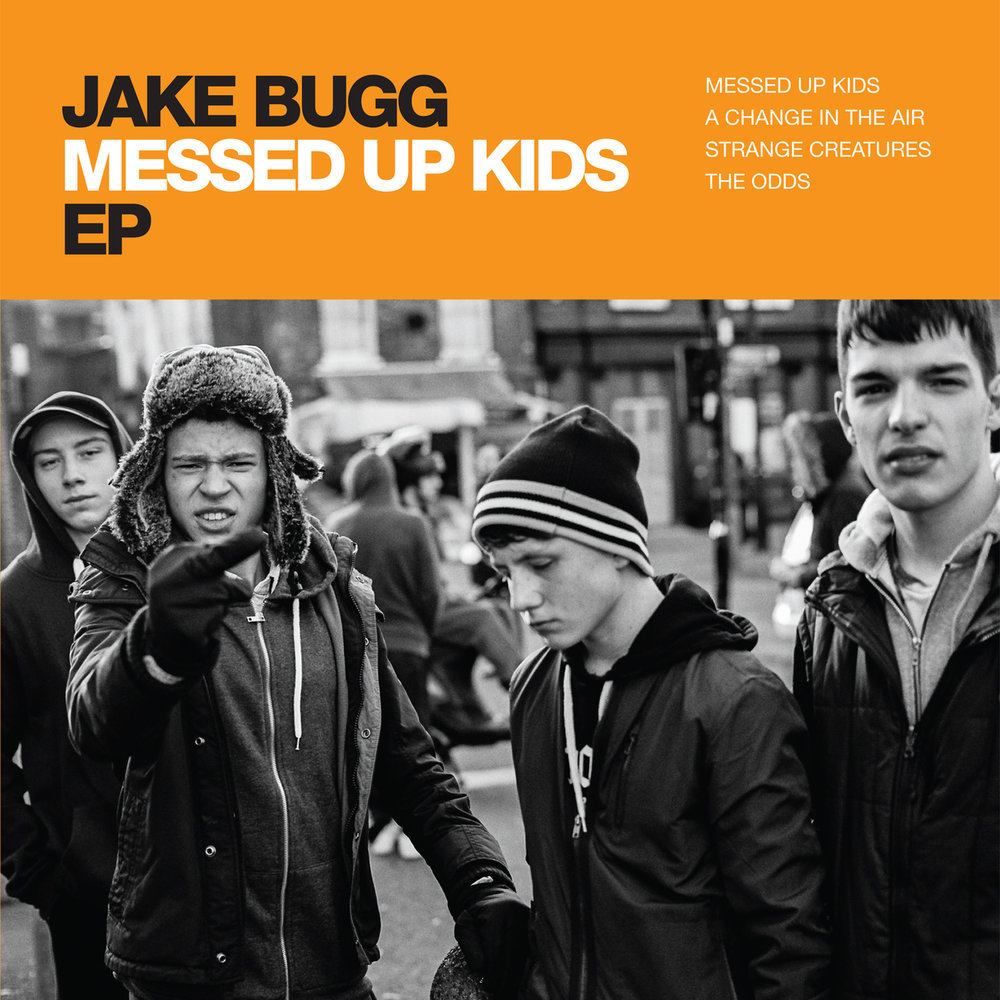
Jake Bugg's "Messed Up Kids" isn't just a song; it's a stark sociological snapshot rendered in bleak, observational poetry. Bugg paints a picture of societal abandonment, where youth are left to navigate the margins with few resources and even fewer prospects. The song's power lies in its unflinching portrayal of characters like Johnny, dealing drugs, and Jenny, forced into homelessness, not as isolated cases, but as symptoms of a wider systemic failure. The track doesn't offer solutions or judge; it simply presents a reality often ignored. Bugg seems to be spotlighting a generation left behind, casualties of economic hardship and social indifference.
The chorus is a particularly brutal assessment. The "messed up kids" are reduced to bartering their time, bodies, and access to substances just to survive. The line, "Everywhere I see a sea of empty pockets," speaks volumes about the pervasive poverty and lack of opportunity plaguing these young people. Yet, even within this despair, Bugg glimpses a faded beauty: "Beautiful girls with eyes so dark within their sockets." This juxtaposition highlights the tragedy of potential squandered, of lives diminished by circumstances beyond their control. The "dark within their sockets" hints at trauma, perhaps even a premature loss of innocence.
The song's setting – a "washed out Saturday," "breeze block palisades," and streets where "lights are smashed" – further amplifies the sense of decay and neglect. These aren't vibrant, thriving communities; they're spaces where hope has been systematically eroded. The line, "Give up on us long ago with no hope," encapsulates the feeling of abandonment that permeates the song. "Messed Up Kids" serves as a raw, uncomfortable mirror reflecting the consequences of societal apathy and the urgent need for intervention. It's a necessary, if painful, reminder of the human cost of indifference.
 View Artist