Song Meaning
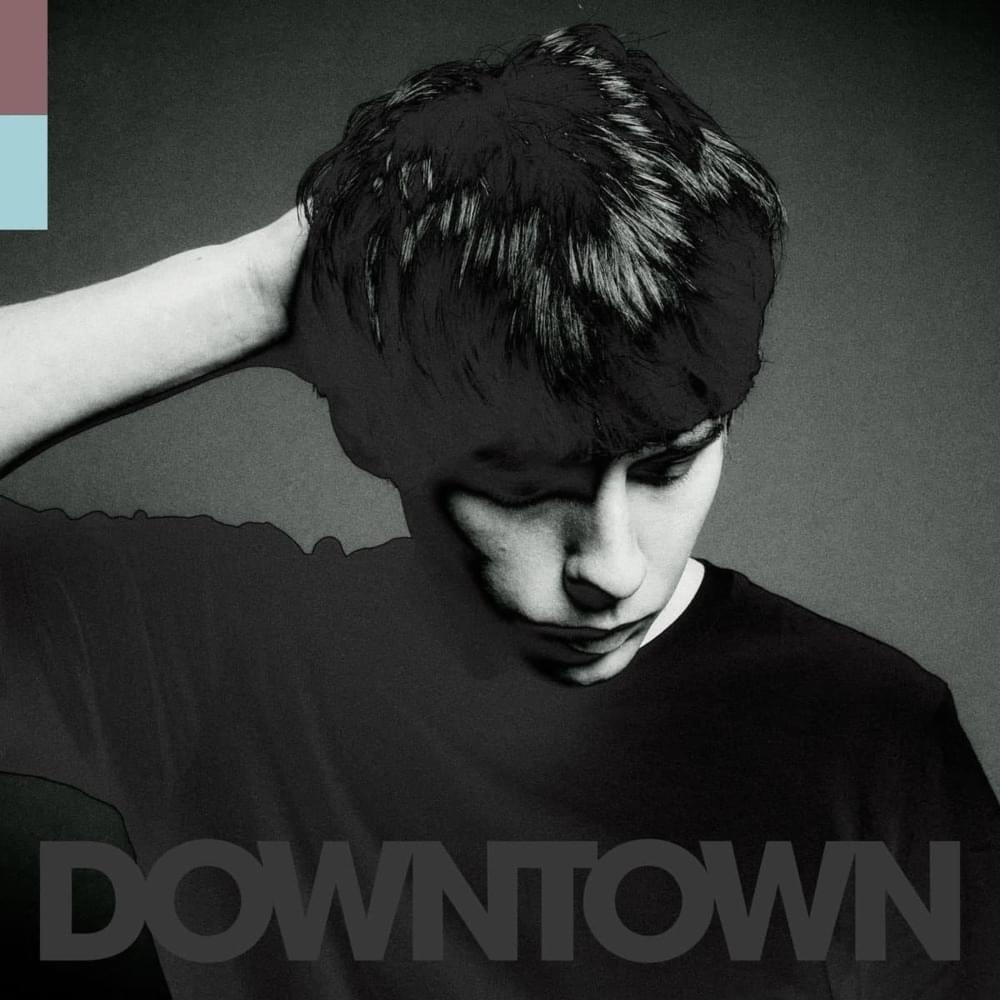
Jake Bugg's "Downtown" isn't a geographical ode; it’s a siren song echoing from the depths of shared experience, a hand reaching out in the darkness. The opening lines, "Help me, it's all moving too fast/Weeks gone and I don't get 'em back," paint a picture of disorientation and the relentless march of time, familiar themes in Bugg's broader catalog. This isn't just personal angst; it's a wider commentary on the disorienting speed of modern life, the feeling of being swept away by forces beyond our control. The plea for help suggests a struggle with feeling overwhelmed, a sentiment that resonates deeply in an era of constant connectivity and information overload. The reference to a "poisonous mind" hints at inner demons, struggles with mental health, or toxic relationships that warp perception and hinder personal growth. The 'Downtown' mentioned in the chorus is not a place, but a state of mind, a willingness to descend into that shared darkness and offer solace.
The recurring reassurance, "You'll never be alone," acts as the song's emotional anchor. It's a mantra repeated against the backdrop of chaos and confusion, a promise of solidarity in the face of adversity. The invitation to "follow me down, follow me downtown" isn't an endorsement of self-destruction, but an offer of companionship in navigating difficult terrain. The memories of "summer nights we'd go raving" evoke a sense of youthful abandon and escapism, a time when the burdens of reality seemed lighter. These memories serve as a reminder of the potential for joy and connection, even amidst the struggles of the present. The repetition of "You'll never be alone" reinforces the idea that these moments of joy and connection are not fleeting but are a constant source of strength and resilience.
The subtle shift from personal struggle to shared experience is crucial in understanding the song's meaning. Bugg isn't just lamenting his own difficulties; he's acknowledging the universality of these struggles and offering a lifeline to those who feel similarly lost. The final repetition of "In the summertime now" suggests a longing for a return to a simpler time, a desire to escape the complexities and anxieties of modern life. However, it's not just nostalgia; it's a call to find moments of joy and connection in the present, to create our own "summertime" even amidst the darkness. "Downtown" is a reminder that even in our darkest moments, we are not alone, and that the promise of connection and shared experience can guide us towards the light.
 View Artist