Song Meaning
This track paints a vivid picture of a home that’s a whirlwind of life, a place where everyone is "bamba" – a term suggesting skill, flair, and perhaps a touch of wildness. The narrator emphasizes a communal spirit, where "todo mundo bebe, todo mundo samba," setting a tone of uninhibited celebration and shared experience. It’s a space intentionally insulated from external judgment, as "não se fala do alheio, não se liga pra candinha," creating a sanctuary focused inward.
The core tension lies in the duality of this intense communal living. While there's an outward projection of boisterousness, "todo mundo xinga, todo mundo briga," the lyrics quickly pivot to reveal a deep, shared emotional landscape. This isn't just about revelry; it's about a profound, almost ritualistic, connection where "todo mundo chora, todo mundo sofre" when one is in distress. This shared vulnerability is then channeled into collective prayer and action, seeking solace through "reza bonitinha" and invoking various saints.
The most striking element is the seamless blend of the sacred and the secular, the joyous and the sorrowful, all within the "casa de bamba." The mention of "Macumba," "galinha preta," and "azeite de dendê" alongside "reza pra são benedito" and "nossa senhora" highlights a syncretic spiritual practice. This juxtaposition underscores how the home embraces all facets of life – the celebratory "samba," the communal grief, and the spiritual appeals – as integral parts of its identity, suggesting a holistic approach to existence.
Ultimately, the effectiveness of these lyrics stems from their unflinching portrayal of a deeply interconnected, emotionally resonant household. The repeated assertion, "Na minha casa," grounds these experiences in a specific, cherished space. The song captures the raw, unfiltered energy of a family or community that not only shares joy and sorrow but actively participates in each other's lives, creating a powerful sense of belonging and shared humanity that "ninguém se cansa."
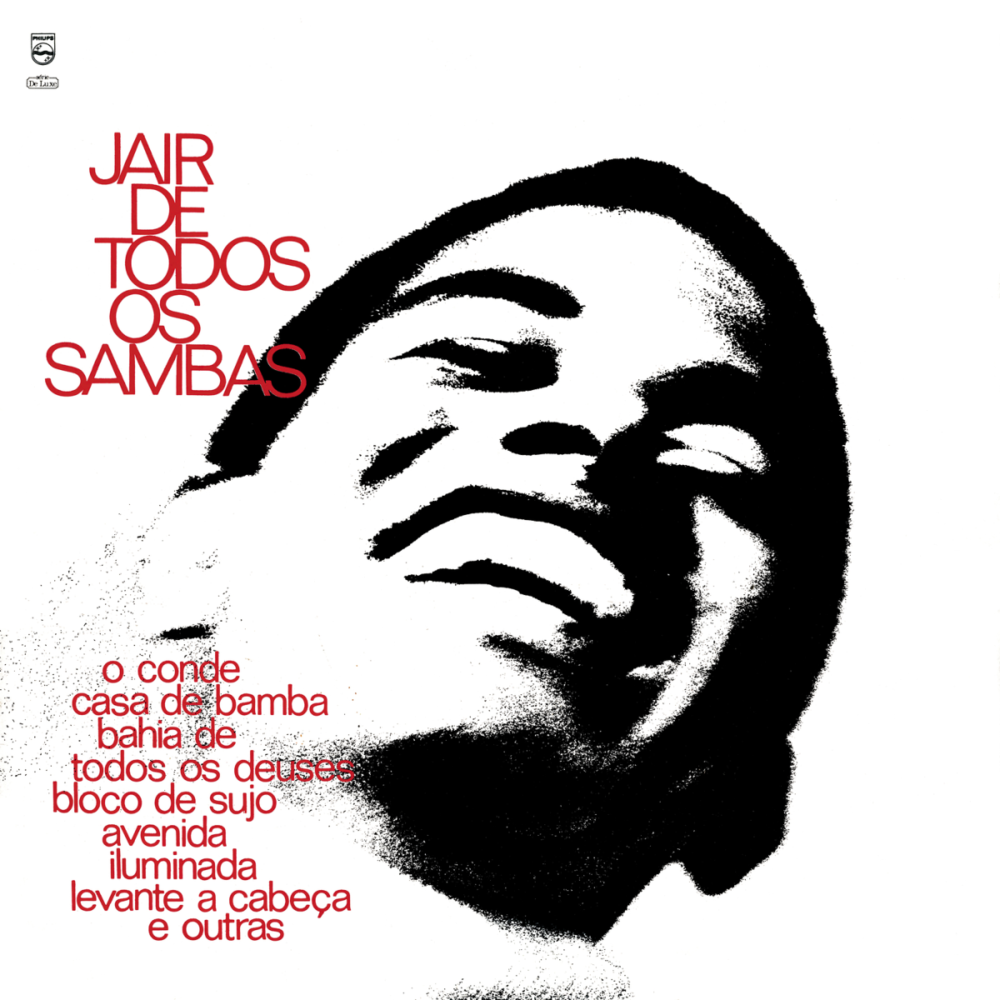
 View Artist