Song Meaning
Jagjit Singh’s "Teri Berukhi" isn't just a song; it's a distilled emotional paradox, a masterclass in Urdu poetry painted with the delicate brushstrokes of lived experience. The song meaning revolves around the intertwined nature of indifference ("berukhi") and kindness ("meherbani"), presenting them not as opposites, but as two sides of the same coin that defines existence itself. The repeated line, "Yahi maut hai aur yahi zindagani" (This is death, and this is life), anchors the listener in this stark reality. It suggests that both the sting of neglect and the balm of affection are intrinsic to the human condition, inseparable aspects of our journey. Singh doesn't shy away from the pain, but rather elevates it to a philosophical plane.
The cyclical nature of the lyrics, with phrases like "Wahi ik fasana, wahi ik kahani" (The same old tale, the same old story), hints at the repetitive patterns of love, loss, and longing that define our relationships. The phrase "Jawani, jawani, jawani" (Youth, youth, youth) further suggests a longing for the past, and the fleeting nature of time. The co-existence of a smile on the lips and tears in the eyes ("Labon par tabassum to ankhon mein pani") is portrayed as the hallmark of those who have loved and lost, a testament to the enduring power of emotions that linger even after the relationship has ended. This bittersweetness is not a weakness, but rather a badge of honor worn by those who have dared to feel deeply.
Ultimately, "Teri Berukhi" uses a simple, repetitive structure to explore profound psychological depths. The tears, when understood ("Jo samjho to sab kuch"), are not mere water but hold the weight of experience, the residue of joy and sorrow. When misunderstood ("Na samjho to pani"), they are rendered meaningless. The song is a reminder that meaning is not inherent in events, but rather in our interpretation of them. Jagjit Singh, through his masterful delivery, invites us to find solace in the acceptance of life's inherent contradictions, to recognize that even in indifference, there can be a strange and poignant form of grace.
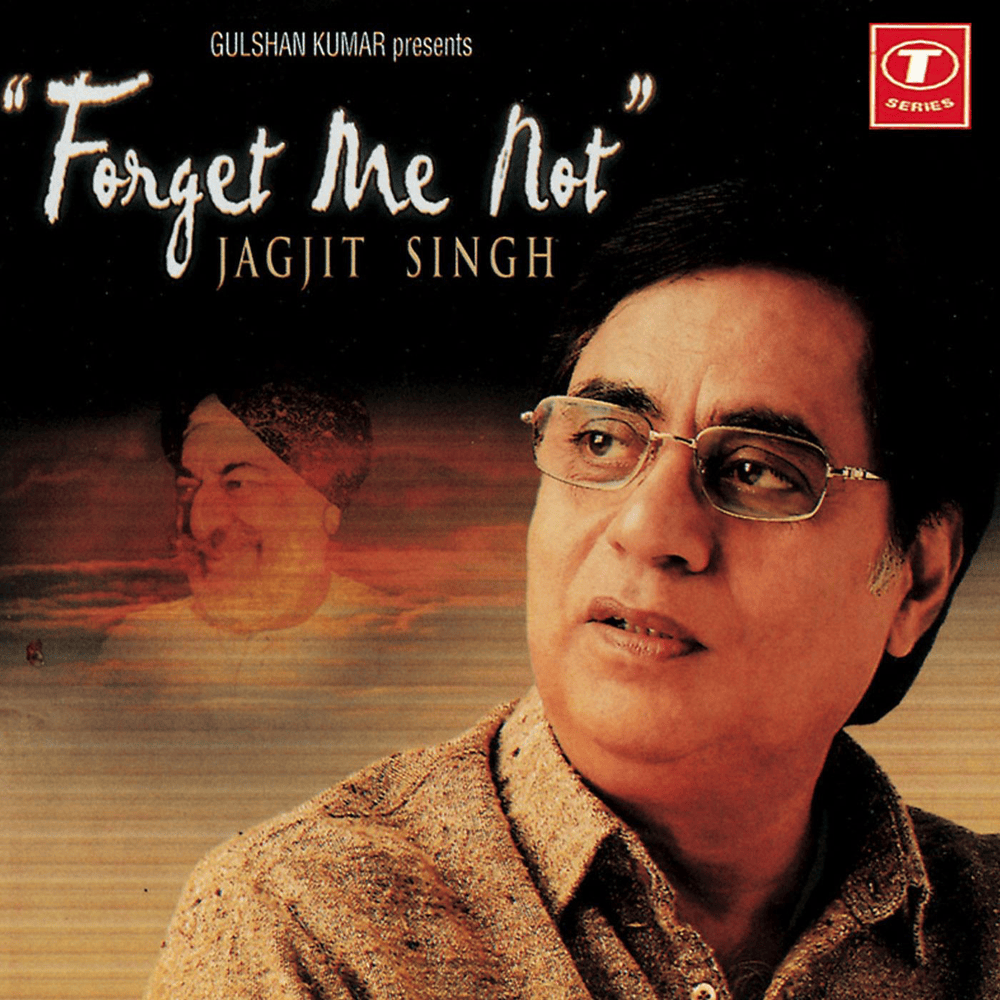
 View Artist