Song Meaning
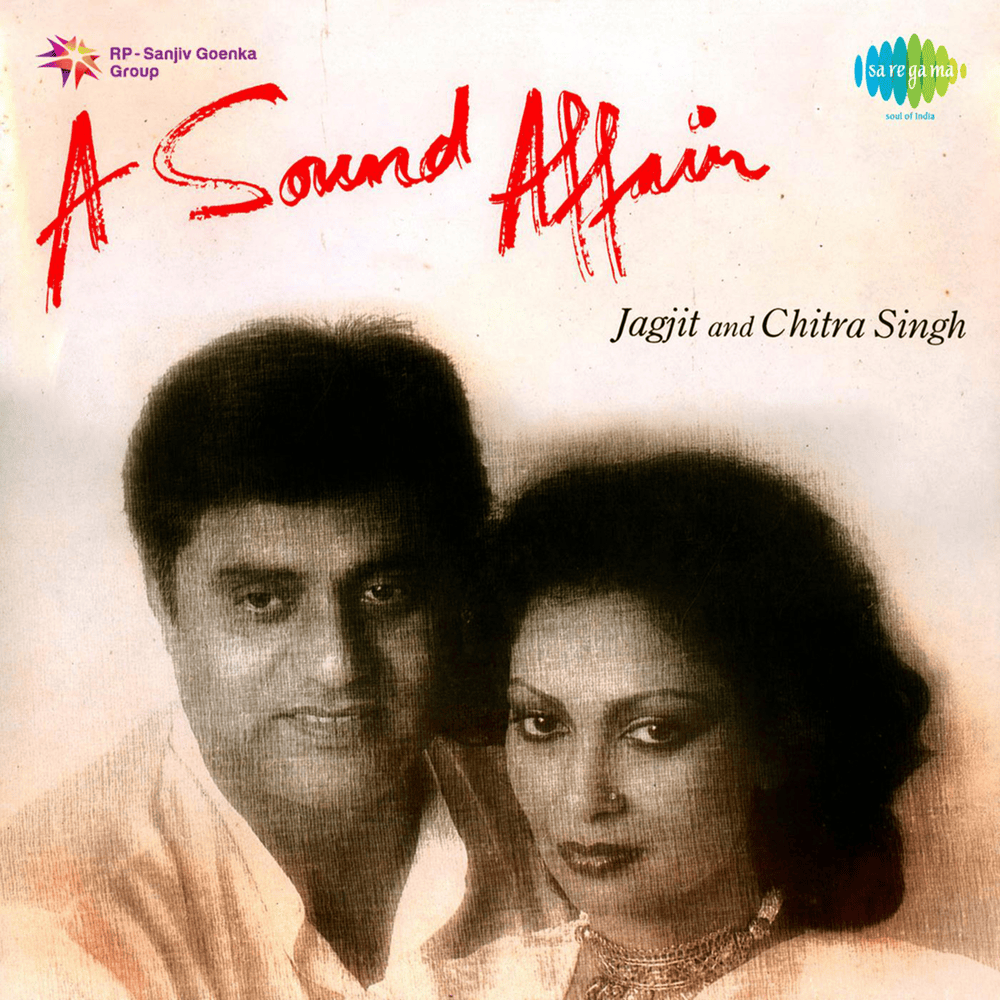
Jagjit Singh's plaintive cry in "Aye Khuda Ret Ke Sehra Ko Samandar Karde" resonates with a yearning for transformation, a desperate plea directed at the divine. The central metaphor – turning a desert of sand into an ocean – speaks volumes about the singer's inner landscape. This isn't merely about physical geography; it's a profound desire to transmute emotional aridity into a sea of abundance, to irrigate a parched soul. The repetition of this plea underscores the intensity of this longing, a spiritual thirst bordering on existential despair. It suggests a landscape of scarcity, perhaps in love, faith, or even self-worth.
But the song's complexity lies in its contrasting desire: "Ya chalkati hui ankhon ko bhi pathar kar de" – or turn these overflowing eyes to stone. This isn't a simple contradiction; it's a recognition of the unbearable weight of sorrow. The singer seems to be caught between two extremes: the hope for boundless emotional fulfillment and the numbing solace of emotional detachment. The eyes, overflowing with tears, become a symbol of vulnerability, a state that feels too raw, too exposed. Turning them to stone offers a shield, a way to survive the pain, even if it means sacrificing the capacity for joy. This internal conflict is central to understanding the song meaning.
The verse "Tujhko dekha nahi, mehsoos kiya hai maine" reveals the nature of the singer's relationship with the divine. It's not based on tangible proof but on deeply felt experience. The desire to give form to this feeling ("Aa, kisi din mere ehsas ko paikar kar de") suggests a yearning for validation, a need to concretize the intangible. The final plea, “Meri chadar mere pairon ke barabar kar de,” encapsulates a desire for contentment within one's limitations. It’s a humble request, juxtaposed against the grander desire for a desert turned ocean, revealing a nuanced understanding of human needs—both the expansive dreams and the simple desire for enough. The song, as a whole, becomes a powerful meditation on faith, suffering, and the search for equilibrium in a world that often feels both barren and overwhelming.
 View Artist