Song Meaning
These lyrics paint a vivid picture of a world shrinking, where everything from objects to ideals seems to be reduced. The opening lines, "Petit, petit, petit / Tout est mini dans notre vie," immediately establish a pervasive sense of smallness. It's an observational snapshot, almost a lament, about the omnipresence of the diminutive.
The central tension arises from this relentless reduction. The speaker lists everyday items like "Mini-moke et mini-jupe," but then extends the "mini" concept to more abstract or significant figures, noting "Il est mini Docteur Schweitzer." This surprising application suggests a diminishment not just of physical size, but perhaps of impact or grandeur, culminating in the direct emotional statement: "Mini mini ça manque d'air." The repetition of "mini" creates a feeling of being hemmed in, a subtle anxiety about things being compressed.
However, the lyrics pivot dramatically, offering a defiant counterpoint. "Moi je préfère les maxis" declares a clear preference, launching into a series of exaggerated "maxi" counterparts. The playful, almost rebellious word choice, like "Maxi-moche et maxi-pute," pushes the concept to its extreme, mirroring the earlier "mini-moche" but with an amplified, almost absurd scale. This shift isn't just about size; it's about a desire for more space, more breath, as indicated by "Maxi maxi ça respire l'air."
Ultimately, the effectiveness of these lyrics lies in their clever use of contrast and repetition. By first immersing the listener in a world of pervasive smallness and then abruptly swinging to an exaggerated embrace of the large, the writing creates a compelling emotional arc. It's a witty, almost satirical commentary on scale, preference, and the desire for expansiveness in a world that often feels constrained.
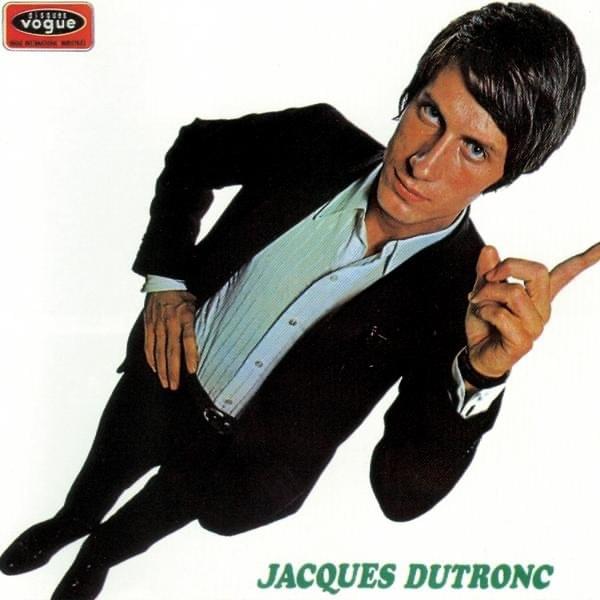
 View Artist