Song Meaning
Jacques Brel's "Keepin' Up The Good Love" (translated from "Les Désespérés") is not a celebration of romance, but a stark, unflinching portrait of disillusionment and the quiet despair that follows love's wreckage. The song meaning resides not in grand pronouncements but in the hushed cadence of those who have been through the fire. The opening images of silent figures walking through extinguished cities, battered by relentless rain, immediately establishes a landscape of emotional exhaustion. These aren't just sad people; they are the "désespérés" – the hopeless ones, marked by a profound loss of faith. They move in silence, their footsteps a somber rhythm echoing their shared trauma.
The lyrics paint a picture of individuals who have flown too close to the sun, lost their grounding, and now find themselves adrift. The reference to "burning their wings" and "losing their branches" speaks to the self-destructive nature of intense passion and the vulnerability it exposes. Having "returned from love," they are now facing the dawn with the realization that death seems almost inviting. The narrator's acknowledgement that he knows their path, having walked it "a hundred times," suggests a cyclical nature to this heartbreak, a recurring pattern of hope and devastation. This isn't a singular event; it's a condition, a state of being for those who dare to love deeply.
The bridge and the image of the "soft and deep" water under the bridge introduces a powerful metaphor for oblivion. The river becomes a seductive escape, a "good hostess" offering the "end of the world." The line about weeping their names "like young marrieds" is particularly poignant, highlighting the cruel irony of love's initial promise compared to its bitter end. The final verse throws down a gauntlet: "Let he who is without sin cast the first stone." It condemns those who judge the heartbroken, those who reduce love to a simple verb, "to love each other." In the end, only a light mist remains on the bridge, a metaphor for the fleeting nature of hope and the erasure of those who once dared to dream.
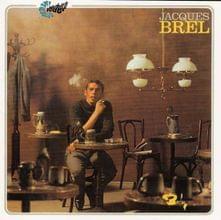
 View Artist