Song Meaning
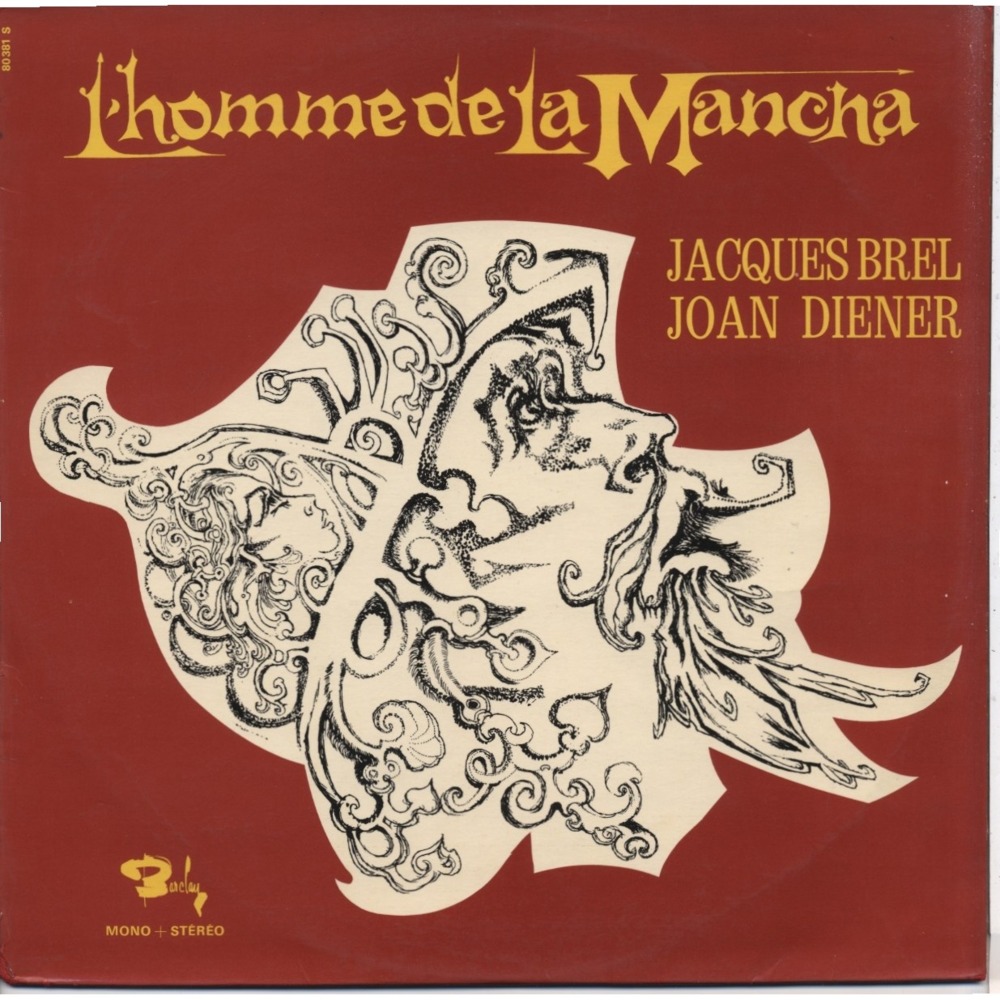
Jacques Brel's "La quête" isn't just a song; it's a psychological portrait of human aspiration, etched in melancholic beauty. The lyrics paint a vivid picture of a quixotic quest, not for tangible treasure, but for something far more elusive: the 'inaccessible star.' This star represents an idealized vision, a dream so grand it borders on the impossible. The song's power lies in its unflinching portrayal of the emotional cost of such ambition. It demands embracing heartbreak, pursuing paths untrodden, and loving with a fervor that risks self-destruction. Brel lays bare the tension between the allure of the ideal and the painful reality of the human condition.
"La quête" explores the paradoxical nature of hope and despair. The singer acknowledges the slim chances of success ('Peu m'importent mes chances/Peu m'importe le temps/Ou ma désespérance'), yet this awareness doesn't diminish the burning desire to strive. This defiance in the face of overwhelming odds is what gives the song its heroic quality. It speaks to the human need for meaning, even when that meaning is found in a pursuit that seems doomed from the start. The lyrics suggest that the act of striving itself, the relentless pursuit of the 'impossible dream,' is what ultimately defines us.
At its core, "La quête" is a meditation on the transformative power of love and the pursuit of ideals. The lyrics reference sacrificing everything ('Se damner/Pour l'or d'un mot d'amour') for a fleeting moment of connection or a glimpse of beauty. The final lines, 'Brûle encore, bien qu'ayant tout brûlé/Brûle encore, même trop, même mal,' encapsulate this idea of enduring passion, a fire that continues to burn even after everything else has been consumed. The song's enduring appeal lies in its willingness to confront the inherent contradictions of the human spirit, celebrating both our capacity for profound love and our relentless pursuit of dreams, however unattainable they may be.
 View Artist