Song Meaning
This song paints a picture of a chance encounter on a gloomy, rainy day, mirroring the emotional atmosphere of a past breakup. The narrator finds themselves "alone and hiding" on a familiar street, only to see their former lover appear, creating a scene that feels like "a play" replaying on "this old place." The initial interaction is awkward, filled with "sighs" and "condolences," a stark contrast to the raw emotion of their original farewell.
The central tension lies in the inescapable pull of memory, amplified by the weather. The lyrics explicitly state, "It always has to be on a rainy day, to escape a past," but the "raindrops keep pushing us to meet like this." This suggests a cyclical nature to their pain, where rainy days become triggers for revisiting the past, making it impossible to truly move on. The narrator observes that the former lover's "eyes haven't changed over the years," intensifying the feeling that time has stood still, and the memory of "the night you said you had to go" is as vivid as the "continuous night rain" falling now.
The most striking aspect is the lyrical framing of the breakup as an event intrinsically tied to rain. The repeated phrase "總要在雨天" (always on a rainy day) becomes a motif, not just describing the circumstances of their parting, but almost dictating it. The lyrics suggest that the rain itself is a catalyst, forcing a confrontation with "a past that must be escaped." This connection imbues the weather with a melancholic significance, turning a simple downpour into a powerful symbol of unresolved grief and the lingering echoes of a painful goodbye.
Ultimately, the song's effectiveness stems from its ability to tap into that universal feeling of being haunted by memories, especially when triggered by sensory experiences like weather. The specific imagery of a chance meeting on a rainy street, the awkward pleasantries, and the direct acknowledgment of the past's grip create a palpable sense of regret and longing. It’s this precise, almost fated, connection between the emotional state and the environment that makes the narrator's enduring heartache so resonant.
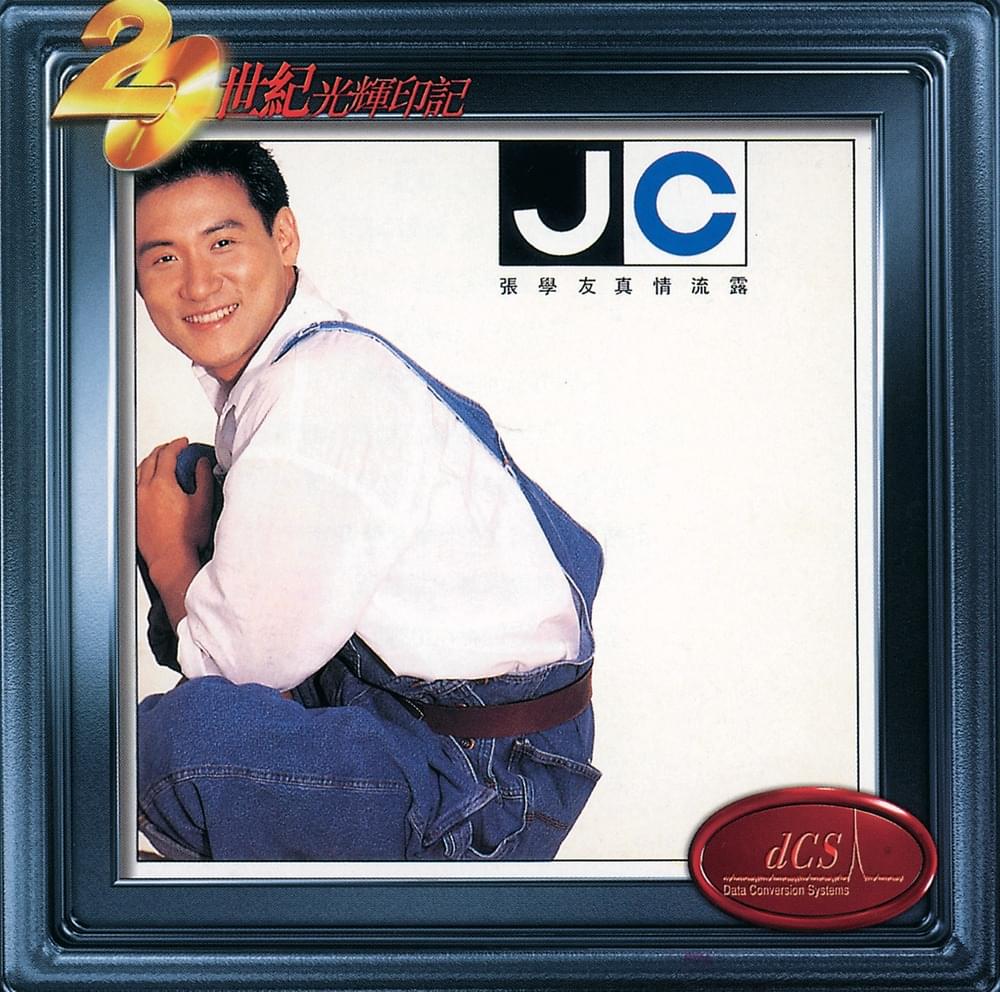
 View Artist