Song Meaning
Jackson Browne's "The Next Voice You Hear" isn't a gentle call to self-discovery; it's a stark, almost brutal, eviction notice from the narratives we've allowed to define us. The song meaning hinges on the repeated assertion that the *next* voice will be your own, implying a conscious, almost violent break from the chorus of external influences that have shaped identity. It's a reckoning, a paring down to the essential self after a lifetime of accumulated 'deeds and possessions,' both literal and emotional. Browne isn't offering a comforting affirmation; he's demanding a confrontation. Forget your heroes, the lyrics urge, suggesting that even aspirational figures can become another form of imposed identity, a gilded cage. The imperative to 'stand in the open' suggests vulnerability, yes, but also a refusal to hide behind borrowed ideologies or secondhand truths.
The second verse digs deeper into the source of these borrowed voices: the people who 'knew how they could hurt you.' This isn't merely about external criticism; it's about those who have actively wounded and shaped our self-perception. The instruction to 'forget their laughter' is particularly cutting. It's not enough to simply move on; the song demands a conscious erasure of the negativity that has been internalized. 'God forbid / You allow them to rid you of your virtue' suggests a fierce protectiveness of the core self, the inherent worth that external forces have tried to diminish. This is where the psychological weight of the song truly lands; it's about reclaiming agency after enduring emotional manipulation.
The final verse, with its call to 'throw down your truth and check your weapons,' is less about physical combat and more about internal preparedness. The 'weapons' are the defenses we've built, the coping mechanisms we've developed. Checking them implies a reassessment: are these tools still serving us, or are they now hindering our ability to connect with our authentic selves? The instruction to 'stand your ground / And don't turn around whatever happens' is a powerful statement of self-reliance. There's no turning back to the familiar, even if the path forward is uncertain and potentially isolating ('don't look to see if you're alone'). The repeated chorus reinforces the central theme: the only voice that truly matters is the one that originates from within. It’s a solitary, sometimes terrifying, but ultimately liberating proposition.
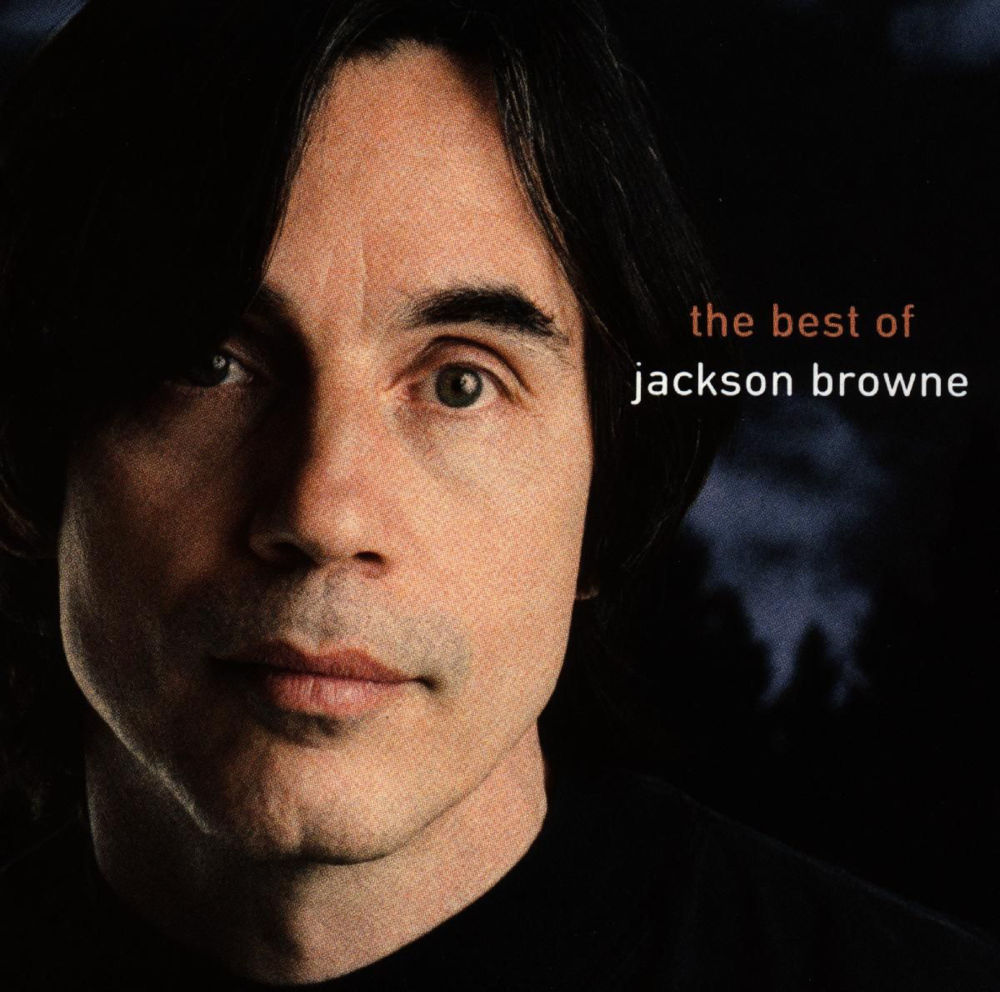
 View Artist