Song Meaning
The lyrics paint a picture of someone desperately trying to hold onto another person who is slipping away. There's a palpable sense of anxiety, with the narrator's "spirits faded" and their heart "racing the dark" in sync with the "patterns and traffic." This isn't just about a physical departure; it feels like a struggle against an inevitable loss, a fear of being left behind.
The central tension lies in the narrator's fierce denial of the other person's independence or need to leave. The repeated phrase "You're not an orphan" acts as a plea, an assertion that the narrator is still a tether, a reason to stay. Yet, the lyrics acknowledge the other person's agency, noting "they tell me that you've finally run" and "you always said you would someday," creating a painful conflict between the narrator's desire and the reality of the situation.
The most striking craft element is the way the "patterns and traffic" become a sonic manifestation of the narrator's internal state. This external, chaotic imagery "pulse[s] just like my heart racing the dark," blurring the lines between the environment and the narrator's overwhelming anxiety. It’s a powerful, visceral connection that makes the emotional turmoil feel almost tangible, a constant, overwhelming rhythm.
This writing is effective because it grounds a profound sense of abandonment and fear in concrete, relatable sensory details. The insistence that someone "not an orphan" while simultaneously acknowledging their departure creates a heart-wrenching paradox. The lyrics capture that specific dread of watching someone you feel responsible for, or deeply connected to, choose their own path into the unknown, leaving you breathless and waiting.
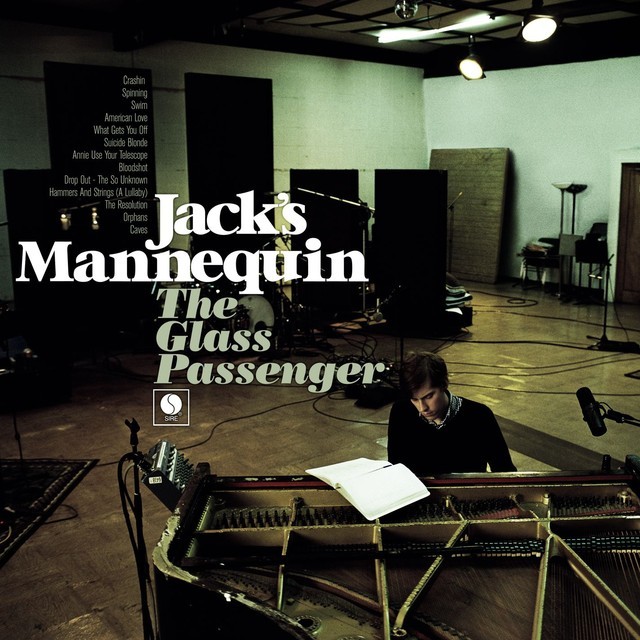
 View Artist