Song Meaning
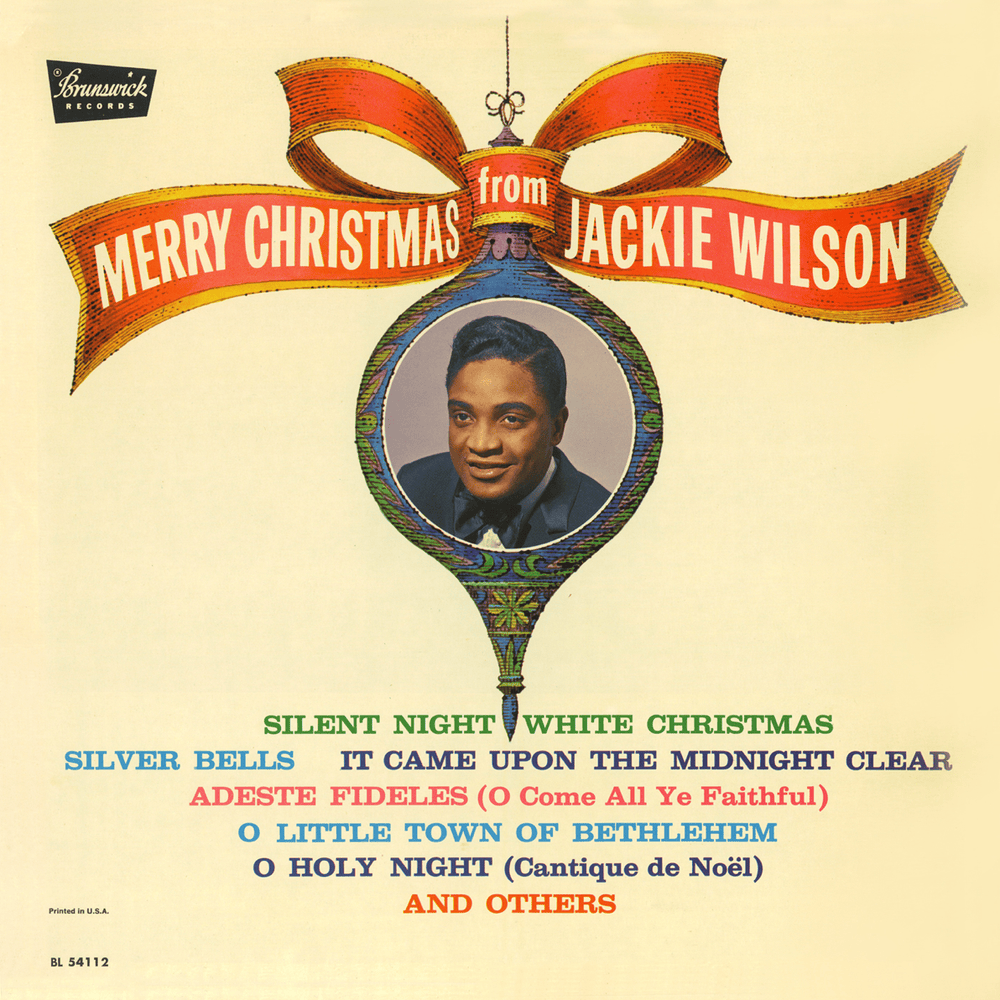
Jackie Wilson's rendition of "White Christmas" isn't just a holiday standard; it's a concentrated dose of longing wrapped in a deceptively simple melody. The song's power lies not in its complexity, but in its ability to tap into a collective nostalgia—a yearning for an idealized past, a "white Christmas just like the ones I used to know." Wilson, known for his emotive delivery, imbues the familiar lyrics with a particular poignancy. It is less about the literal snow and more about the emotional landscape of memory. The "treetops glisten" and "children listen[ing]" are not merely descriptive; they evoke a sense of innocence and wonder that adulthood often obscures.
The repetition of "I'm dreaming of a white Christmas" acts as a mantra, a desperate attempt to conjure a feeling rather than simply recall a past event. This highlights a core human experience: the tendency to romanticize the past, filtering out the complexities and focusing on a select few, idealized memories. The act of writing Christmas cards becomes a symbolic gesture, a way of projecting this idealized vision onto others, wishing them "merry and bright" days and, by extension, a share in this longed-for past. It's a collective wish for a return to simpler times, a shared fantasy of peace and joy.
But there's a subtle undercurrent of melancholy. The very act of dreaming implies a distance from the reality being dreamt of. Wilson's performance, even within its upbeat tempo, carries a hint of wistfulness, a recognition that the perfect "white Christmas" may be forever out of reach, existing only in the realm of memory and imagination. The song, therefore, becomes more than just a celebration of the holiday season; it's a meditation on the power of nostalgia, the allure of the past, and the enduring human need to create and share idealized visions of happiness.
 View Artist