Song Meaning
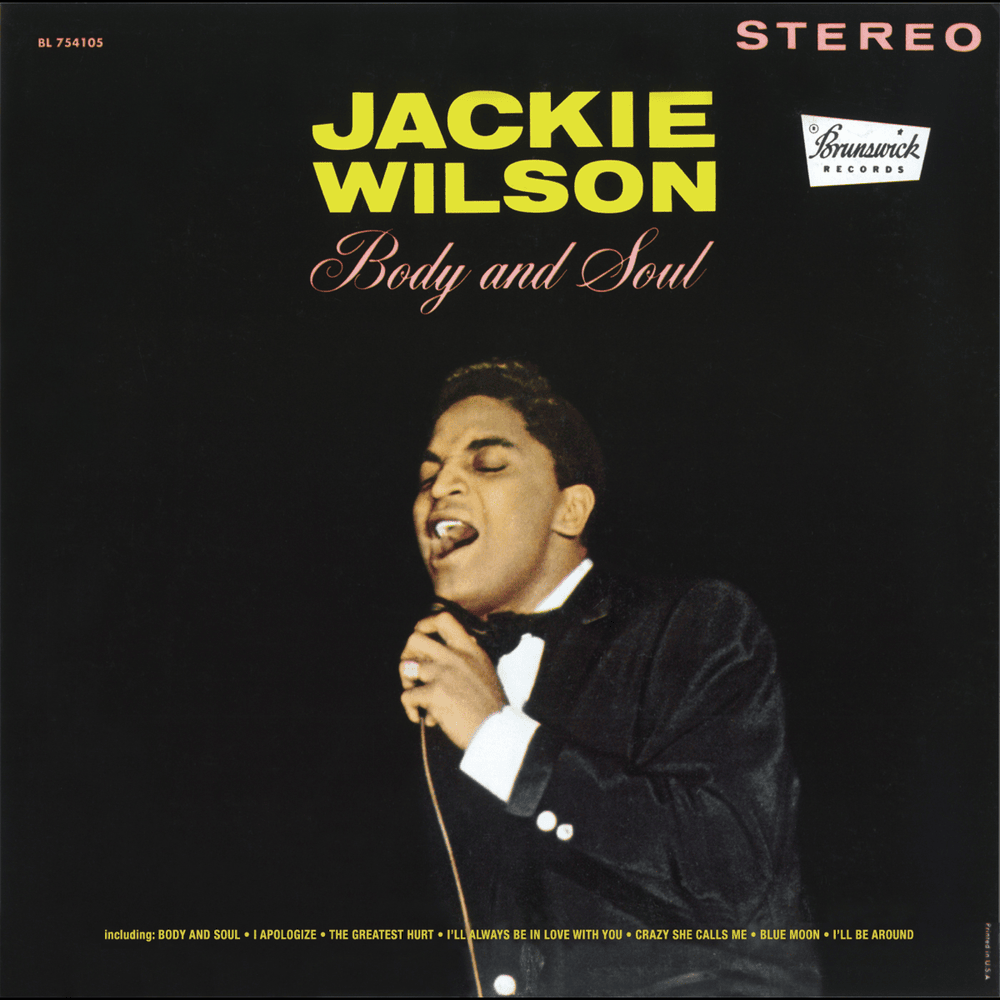
Jackie Wilson's plaintive cry in "I Don't Know You Anymore" isn't just a lover's lament; it's a stark psychological portrait of emotional estrangement. The opening lines, "Lately, when I hold you, You're like a stranger, in my arms," immediately plunges us into the disorienting experience of intimacy turned alien. It's the uncanny valley of relationships, where the familiar face of a loved one becomes unsettlingly foreign. The lyrics pinpoint a chilling shift: affection is met with fear, kisses are no longer reciprocated with genuine passion, and conversations that once flowed freely now sputter and die. Wilson masterfully captures the feeling of being adrift in a relationship where the emotional landscape has undergone a seismic shift. It's not just about lost love; it's about the loss of recognition, the agonizing realization that the person you thought you knew has become unrecognizable. The repetition of "I just don't know you anymore" drives home the singer's desperate attempt to reconcile the past with the present, a futile effort to bridge the ever-widening gap between two souls.
What makes "I Don't Know You Anymore" so resonant is its exploration of the subtle, insidious ways that relationships can decay. It's not always about grand betrayals or explosive arguments; sometimes, it's the quiet erosion of connection, the unspoken anxieties that fester beneath the surface. The line, "You string along, but something's wrong," hints at a deeper malaise, a reluctance to confront the underlying issues that are poisoning the relationship. Wilson's delivery, full of raw vulnerability, amplifies the sense of helplessness and confusion. He's not accusatory, but rather deeply saddened by the transformation he witnesses in his partner. This isn't a song about anger; it's a song about the slow, agonizing death of intimacy.
The final verse underscores the singer's internal conflict. He yearns to rekindle the love they once shared ("I, I want to love you"), but acknowledges the futility of forcing a connection that no longer exists. The phrase "acting strange, there's been a change" succinctly encapsulates the disorienting nature of the experience. The core song meaning lies in its exploration of how people change, and how those changes can irrevocably alter the dynamics of even the most intimate relationships. "I Don't Know You Anymore" is a haunting reminder that love, like identity, is not static, and that sometimes, the person we thought we knew best can become the most unknowable stranger.
 View Artist