Song Meaning
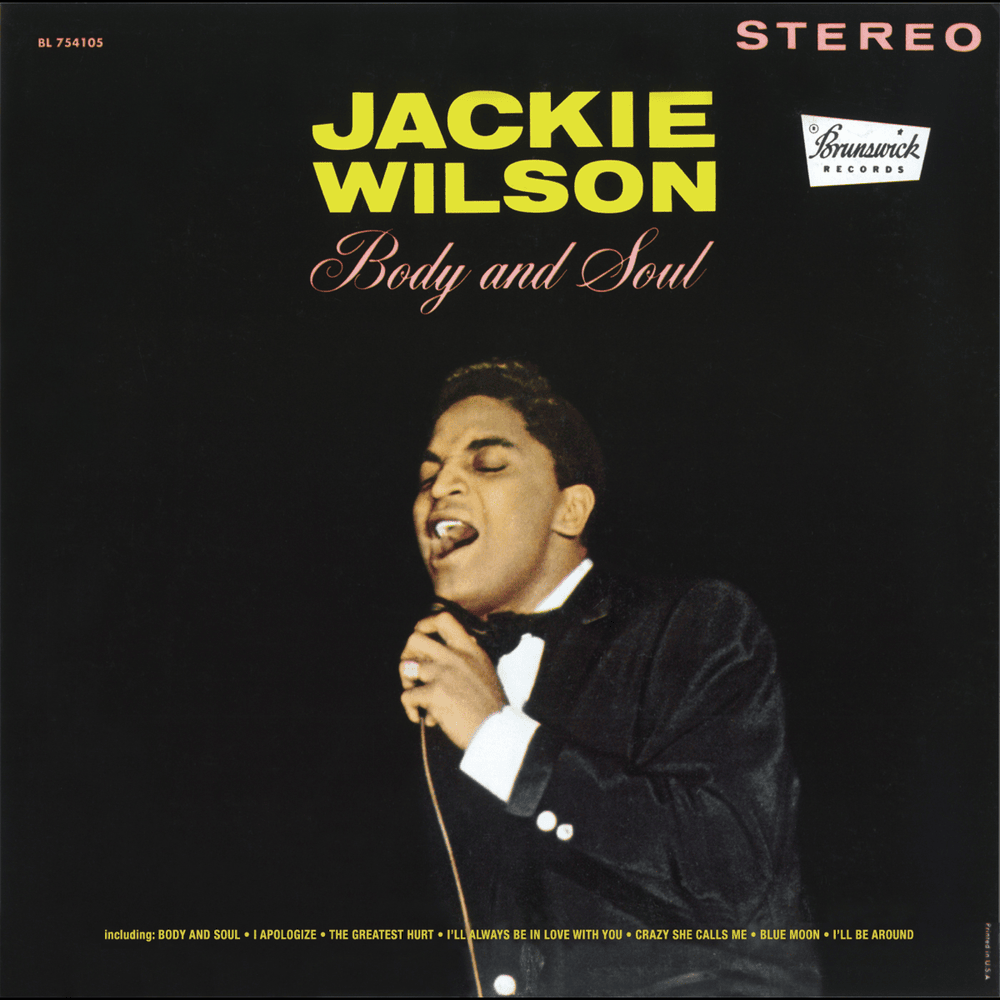
Jackie Wilson's rendition of "Blue Moon" isn't just a simple love song; it's a concentrated dose of romantic longing and the transformative power of hope. The titular blue moon, a symbol of rarity and loneliness, sets the stage for a protagonist adrift in a sea of solitude. The opening lines paint a portrait of vulnerability: "Without a dream in my heart, without a love of my own." This isn't just sadness; it's a deep-seated yearning for connection, a void that defines the speaker's existence. Wilson's vocal performance imbues these feelings with a palpable weight, drawing the listener into the emotional landscape of the song. He lays bare the fundamental human desire to be seen and loved.
The song's genius lies in its swift, almost magical shift from despair to euphoric discovery. The blue moon, initially a witness to the singer's isolation, becomes a catalyst for change. The prayer for a meaningful connection is answered with the sudden appearance of "the only one my arms will ever hold." This encounter is not just serendipitous; it feels divinely ordained, a whispered promise of adoration transforming the very celestial sphere. The moon turning to gold is a powerful metaphor for the alchemy of love, the way it can transmute the mundane into something precious and radiant.
Ultimately, "Blue Moon," as interpreted by Jackie Wilson, is a testament to the enduring power of belief in the face of loneliness. It suggests that even in the darkest of times, the possibility of love and fulfillment remains. The repetition of "Blue moon" at the beginning and end underscores the cyclical nature of hope and despair, but ultimately emphasizes the transformative power of a single, life-altering connection. The song resonates because it taps into a universal desire: the hope that our own "blue moon" moments of solitude might one day give way to the golden light of love and belonging.
 View Artist