Song Meaning
Jackie DeShannon's "You Don't Miss Your Water (Til Your Well Runs Dry)" isn't just another heartbreak lament; it's a distilled shot of regret, potent and universally relatable. The opening lines establish a familiar narrative: initial bliss curdled by a fatal dose of obliviousness. "In the beginnin' / You really loved me / I was too blind / I couldn't see"—the simplicity is devastating, painting a portrait of youthful arrogance or perhaps just plain inattention. DeShannon doesn't wallow in accusations; the fault lies squarely with the narrator's inability to recognize the value of what she possessed. It speaks to a common human failing: taking love (or anything of value) for granted until its absence screams. This song's meaning resonates because it taps into the raw nerve of lost opportunities and the painful clarity that dawns only after the damage is done. This is not the teenage melodrama of being dumped, but the mature reckoning of realizing you were the architect of your own romantic downfall.
The genius of "You Don't Miss Your Water" lies in its central metaphor. Water, the life-sustaining element, becomes a symbol for love, affection, or perhaps even a partner's unwavering support. The well, once overflowing, represents the relationship itself. The lyric "You don't miss your water, no you don't / 'Til your well run dry" is repeated as a haunting refrain, driving home the agonizing realization. The phrase is a well-worn idiom, but DeShannon imbues it with a fresh sense of pain and immediacy. The slight variation, "'Til it run so, oh, so dry," adds a layer of desperation, underscoring the irreversible nature of the loss.
Ultimately, the song meaning hinges on the psychological weight of belated understanding. It's a study in contrast: the blindness of the past versus the hyper-awareness of the present. DeShannon's delivery, tinged with a world-weary sorrow, amplifies the song's emotional core. "You Don't Miss Your Water" isn't just about romantic regret; it's about the universal human tendency to undervalue the things we have until they are gone, a potent reminder to cherish the present and recognize the worth of those who offer us their love and devotion.
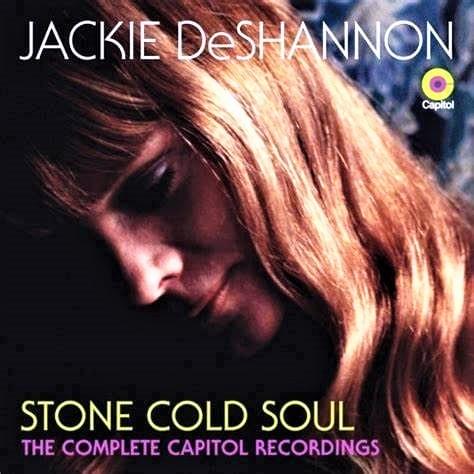
 View Artist