Song Meaning
Jackie DeShannon's "Wish I Could Find a Boy (Just Like You)" isn't just a simple yearning for lost love; it's a precise dissection of idealized romantic memory. The song's power lies in its stark acknowledgment of uniqueness – that certain emotional constellations exist only once. DeShannon isn't merely seeking a replacement boyfriend; she's grappling with the irretrievable nature of a specific, perfectly calibrated connection. The almost mathematical precision of the title phrase highlights this impossibility; it's a quest doomed from the start because the very premise is flawed. No two people, no two relationships, can ever be identical. This isn't about settling; it's about facing the melancholic truth that some experiences, particularly those felt as 'Heaven,' are singular events.
The lyrics subtly hint at the psychological weight of this realization. The repeated invocation of 'Heaven' and 'a world without end' suggests a past relationship not just fondly remembered, but elevated to an almost mythical status. This idealization, while comforting, simultaneously deepens the sting of its absence. The 'look in your eyes / That told me / I was in Paradise' isn't just a romantic cliché; it represents a specific, validating gaze that confirmed the singer's sense of self-worth and belonging. To lose that gaze is to lose a part of oneself, hence the desperate wish to 'live it again.'
Ultimately, "Wish I Could Find a Boy (Just Like You)" functions as a bittersweet meditation on the psychology of longing. It's a recognition that while new relationships are possible, they will inevitably be different, and that the human heart often fixates on the unrepeatable magic of the past. The song's simplicity is deceptive; beneath its surface lies a profound understanding of how memory shapes our desires and colors our perception of present possibilities. The song meaning, therefore, transcends mere romantic pining; it's an exploration of the human tendency to seek echoes of past bliss, even when we know, deep down, that such echoes can never truly replicate the original sound.
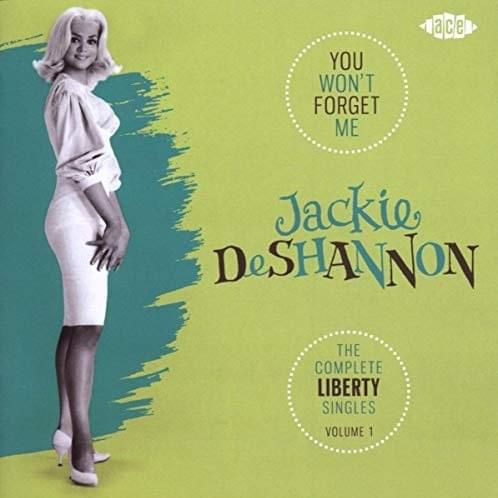
 View Artist