Song Meaning
Jackie DeShannon's "Just Like in the Movies" isn't just a breakup song; it's a study in disillusionment. The track hinges on the chasm between expectation and reality, a feeling intimately familiar to anyone who's swallowed the Hollywood pill. DeShannon uses the cinematic trope as a razor, dissecting the fantasy of romance against the harsh truth of its failure. The repeated line, "Just like in the movies," drips with irony, highlighting how real life rarely adheres to the neatly scripted narratives we're fed. It's a pointed commentary on the manufactured emotions and unrealistic timelines perpetuated by film, which set us up for inevitable disappointment when love inevitably deviates from the silver screen.
The lyrics analysis reveals a cyclical pattern of promise and betrayal: "You said you'd never break my heart...but you did." This bluntness underscores the song's core theme: the shattering of illusions. The specific memories, like the first kiss in the rain, are painted with a veneer of cinematic perfection, further emphasizing the contrast with the present heartbreak. DeShannon isn't just mourning a lost love; she's mourning the loss of the idealized version of that love, the one that existed only in her mind, fueled by the unrealistic portrayals she'd absorbed.
The simplicity of the chorus, "Well, I guess I'll go home and cry now," amplifies the song's emotional impact. There's no grand gesture, no dramatic confrontation – just the quiet resignation of someone realizing they've been sold a false bill of goods. The "bitter tears" are not just for the lost relationship, but for the lost innocence, the naive belief that love could mirror the fantasies depicted in movies. The organ solo serves as a brief, wordless interlude, a space for the listener to reflect on the universality of this experience. "Just Like in the Movies" ultimately suggests that while we may all yearn for the cinematic romance, true love, in all its messy, imperfect glory, exists far outside the frame.
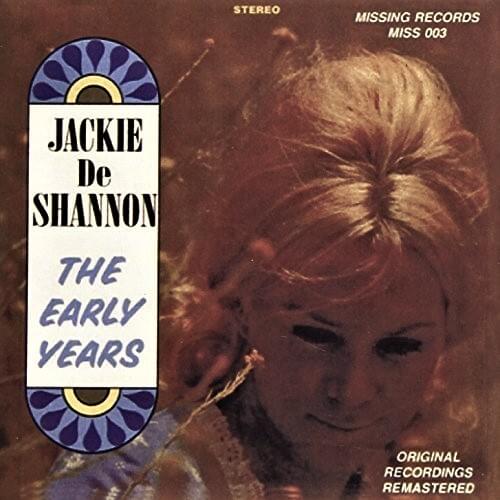
 View Artist