Song Meaning
Jackie DeShannon's "I'll Be Seeing You" isn't just a sentimental ballad; it's a masterclass in psychological projection, cloaked in Parisian charm. The opening lines, with their "cathedral bells" and hearts "singing on," immediately establish a romantic, almost idealized past. But the crucial question lingers: "Was it the spell of Paris / Or the April dawn?" DeShannon subtly hints that the magic might have been circumstantial, a fleeting moment rather than a deeply rooted connection. The speaker already anticipates separation, wondering "Who knows if we shall meet again," suggesting a relationship built on ephemeral beauty rather than lasting substance. This sets the stage for understanding the core of the song: the speaker's attempt to maintain the connection through manufactured reminders.
The repeated phrase "I'll be seeing you" becomes less a promise and more a coping mechanism. It's a desperate attempt to control the narrative, to imprint the absent lover onto the landscape of her daily life. The lyrics aren't about physical presence; they're about mental reconstruction. "All the old familiar places / That this heart of mine embraces" suggests a deliberate act of association. She will force herself to see him "in that small café," "the park across the way," transforming mundane locations into memory triggers. The objects themselves – "children's carousel," "chestnut trees," "wishing well" – represent a curated nostalgia, carefully chosen to evoke specific emotions and keep the idealized image alive.
Ultimately, "I'll Be Seeing You" exposes the bittersweet reality of longing. It acknowledges the inherent human tendency to romanticize the past and to seek solace in manufactured memories. The "lovely summer's day" and "everything that's light and gay" become canvases onto which she projects her desired image of the lost connection. Even natural phenomena – "the morning sun" and "the moon" – are transformed into reminders. DeShannon's delivery, combined with the deceptively simple lyrics, creates a powerful portrait of a mind grappling with loss, desperately trying to hold onto something that may already be gone. The song's enduring appeal lies in its honest portrayal of how we manipulate our own perceptions to navigate the pain of absence.
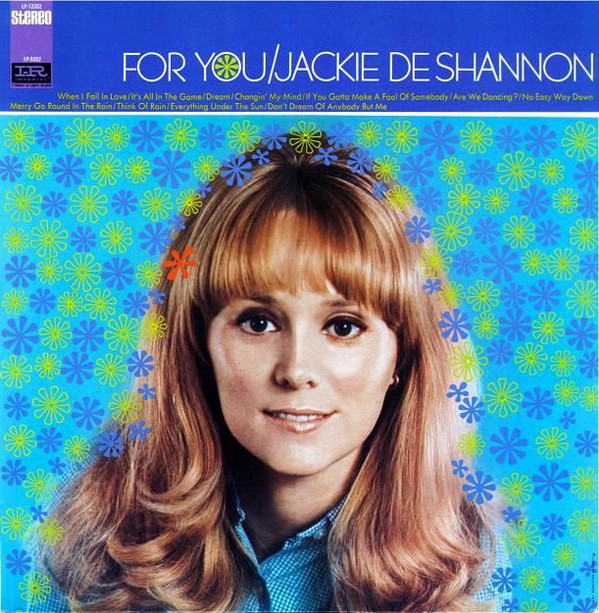
 View Artist