Song Meaning
Jackie DeShannon's "I Don't Need You Anymore" isn't just a breakup song; it's a raw, almost clinical dissection of denial. The lyrics paint a picture of a relationship that's irrevocably fractured, where the initial spark has faded, leaving behind an emptiness that echoes in every line. DeShannon, with her signature blend of vulnerability and strength, guides us through the stages of grief, masked as acceptance. The opening verses establish the core conflict: a journey gone awry, a shared history now forgotten. The line, "you've forgotten what we had," carries a particular sting, suggesting a betrayal not just of affection, but of shared experience. It's the kind of quiet accusation that lands with devastating force. The turn from accusation into a declaration of independence is a common trope, but DeShannon subverts the listener's expectations.
The refrain, "And I don't need you anymore," becomes a mantra, repeated as if to convince not the absent lover, but herself. The second verse introduces a sense of proactive self-preservation. "I'll leave the mem'ries in the hall / Before they reach my heart" is a conscious effort to compartmentalize, to build a wall around the emotional core before it's completely ravaged. It's a strategy of emotional triage, a desperate attempt to minimize the damage. This isn't a triumphant declaration of freedom; it's a calculated retreat. The imagery of an empty room in the third verse is classic breakup territory, but DeShannon imbues it with a specific sense of lingering attachment. The line, "I'll probably linger at the door / But not for very long," is a moment of heartbreaking honesty, acknowledging the pull of the past while simultaneously trying to sever it.
But it's the final line of "I Don't Need You Anymore" that reveals the song's true depth: "Except I don't think that's really true." This single admission unravels the entire carefully constructed facade of indifference. It's a moment of profound vulnerability, a crack in the armor that exposes the raw pain beneath. DeShannon isn't offering a story of resilience or empowerment, but a portrait of a person caught in the messy, contradictory reality of heartbreak. The song's true meaning lies not in the claim of independence, but in the quiet acknowledgment of dependence, a recognition that even in the face of profound disappointment, the heart doesn't always let go as easily as the mind might wish.
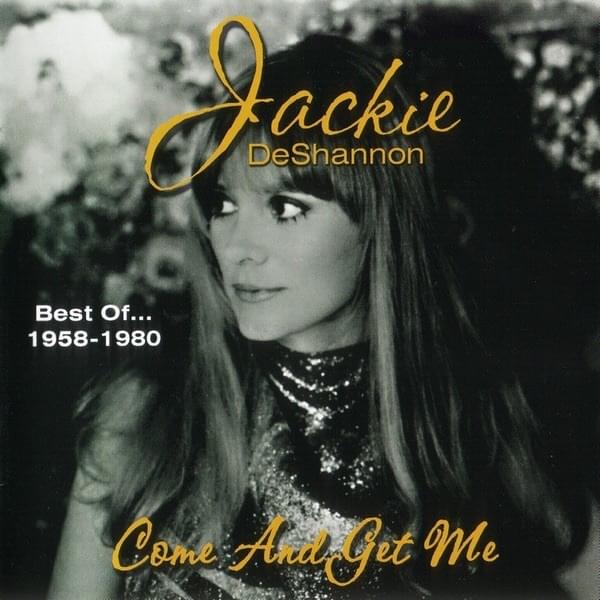
 View Artist