Song Meaning
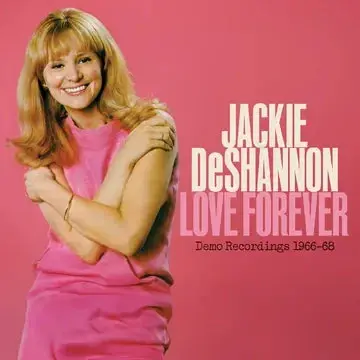
Jackie DeShannon's "Children & Flowers," even in its demo form, offers a deceptively simple meditation on innocence, privilege, and the inevitable confrontation with reality. The opening verse paints a picture of a figure arriving untouched by hardship, "riding on a white dove's wing," insulated from the harsher aspects of life. This pristine existence, where "nothing means nothing's ever bad," speaks to a state of blissful ignorance, a sheltered perspective that equates the absence of immediate negativity with a lack of any underlying problems. The song meaning here isn't necessarily critical; rather, it establishes a baseline of naive optimism. But the lyrics quickly hint that such a state cannot last.
The chorus, ostensibly a celebration of "children and flowers," presents a counterpoint to the opening verse's detached observation. The children and flowers exist in a world without competition ("never have to win"), where the absence of choice negates the possibility of loss. This idyllic image, where "everyone plays in the wind," suggests a state of pure, unburdened being, a kind of pre-conscious existence. This is where the song analysis gets interesting. It's not just about simple joy; it's about a specific kind of joy rooted in the absence of awareness.
Verse two marks a turning point. The sheltered individual begins to experience emotions they "don't understand," and their "little white dove now is crying too." This signals the shattering of the illusion, the first cracks appearing in the previously impenetrable armor of innocence. The tears suggest a dawning awareness of suffering, both personal and perhaps, by extension, the suffering of others. DeShannon's line, "So happy you feel love, and I feel love for you" is complex. Is this true empathy, or a projection? Regardless, "Children & Flowers" recognizes the bittersweet pain inherent in growth, the necessary loss of naive joy in exchange for a more nuanced, empathetic understanding of the world. This Jackie DeShannon song isn't just a pretty melody; it's a subtle psychological portrait.
 View Artist