Song Meaning
Jack White's "Eosophobia (Reprise)" is a masterclass in sonic simplicity, yet it spirals into a surprisingly complex exploration of ego, control, and the fear of dawn – or, more accurately, the fear of what dawn represents. The core of the song meaning lies in its stark assertion of influence over the sun itself. This isn't about literal solar manipulation; it's about the delusion of control, a grandiosity that masks a deeper insecurity. The repetition of "It listens to me" becomes less a declaration of power and more a desperate mantra, a self-hypnotic attempt to ward off an encroaching anxiety.
The interlude, a brief countdown, acts as a pressure release, a moment of almost childlike playfulness before plunging back into the central claim. The subsequent verse sharpens the focus. The initial assertion morphs into a defensive posture, a reaction to perceived doubt: "You think that the sun answers to no one, But you're wrong." This reveals the vulnerability beneath the surface. The speaker isn't simply stating a fact; they're reacting to a challenge, revealing their need for validation, and their anxiety that their power is an illusion.
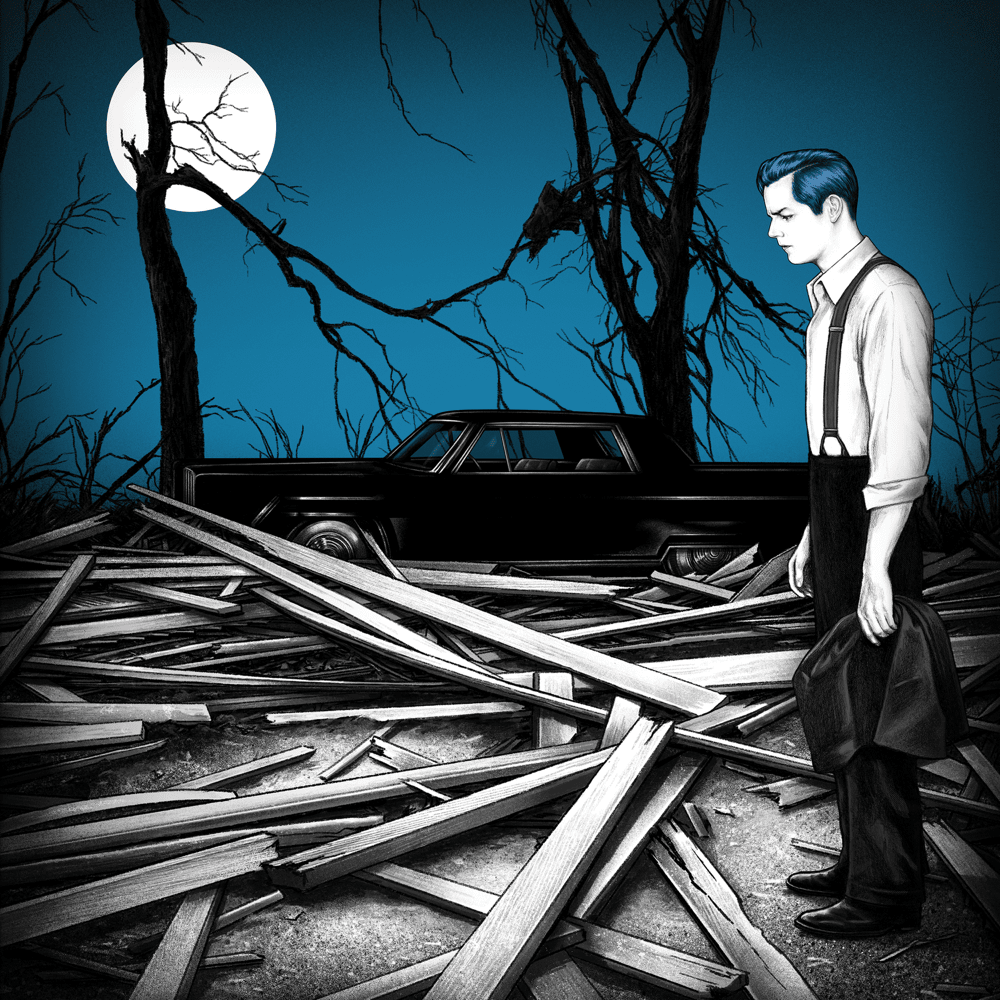
The final lines, "At night, there is no light / I'm not wrong / I'm right," cement the connection to eosophobia – the fear of dawn. Night becomes a realm where the speaker's perceived control is absolute, where their pronouncements go unchallenged. The coming of dawn threatens this control, bringing with it the possibility of exposure, of being proven wrong. The insistence on being "right" is a defense mechanism against this fear, a desperate attempt to maintain a fragile sense of self in the face of an inevitable, uncontrollable force.
 View Artist