Song Meaning
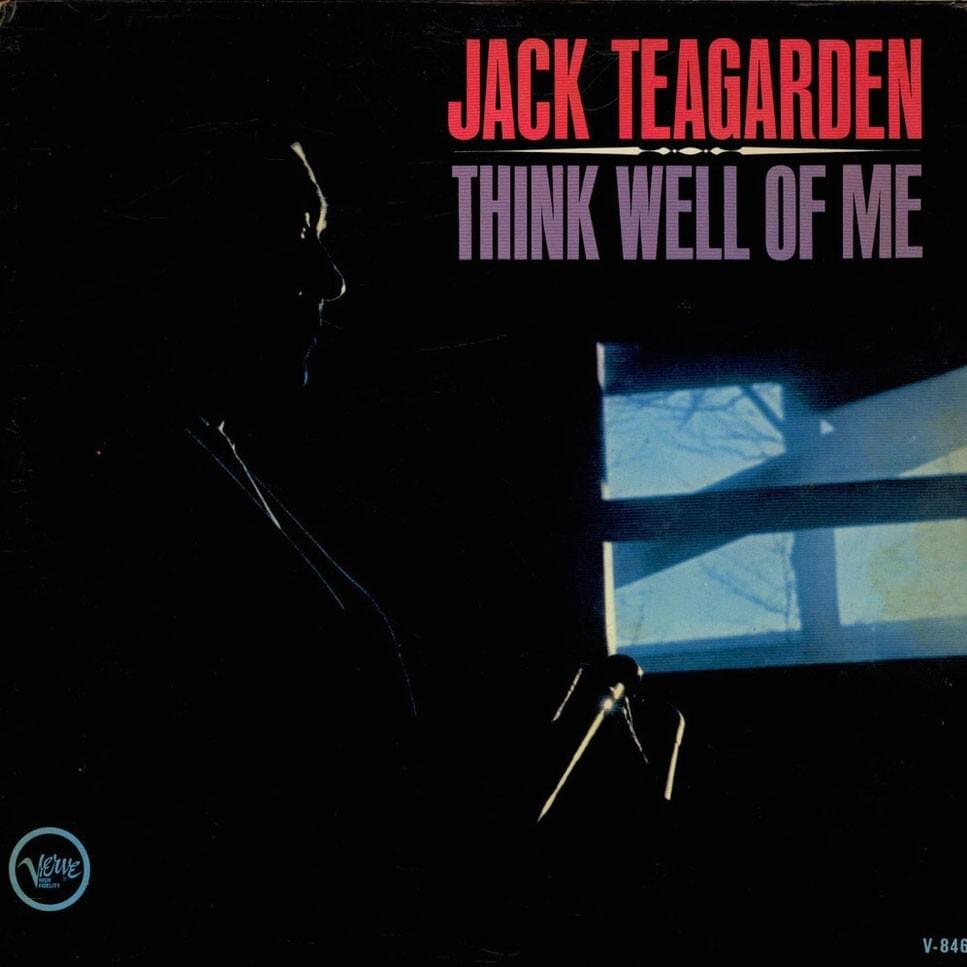
Jack Teagarden's "Old Folks" isn't simply a sentimental portrait of an aging man; it's a subtle exploration of memory, identity, and the stories we tell ourselves. The song immediately paints Old Folks as a figure of comfort and familiarity – "like the seasons, he'll come and he'll go." This cyclical nature suggests not just physical presence but a recurring role in the lives of those around him, a living embodiment of tradition and perhaps even nostalgia. The repeated endearment, "everybody loves him so," establishes him as a cherished fixture, hinting at a deeper psychological need for connection and continuity, especially in the face of change.
The seemingly harmless details of Old Folks' habits – the spoon in his coffee, the napkin under his chin, the "mellow" cob pipe – are more than just quirks. They are the signifiers of a life lived, the small rituals that define a person and make them knowable. These details offer a sense of intimacy. However, the song subtly shifts from observation to questioning. The tall tale of Old Folks giving the Gettysburg Address for Lincoln is obviously fantastical. The lyrics then focus on his ambiguous past, wondering if "he fight for the blue or the grey?" This ambiguity isn't a flaw but a deliberate choice, suggesting that Old Folks' identity is not fixed but fluid, shaped by the stories he chooses to tell and the roles he chooses to play.
Ultimately, "Old Folks" uses a single character to explore the human need for narrative. Is Old Folks a fabulist, rewriting his history to better fit the present? Or is he simply a symbol, a blank slate onto which others project their own desires and expectations? The song doesn't offer easy answers, but its gentle probing of memory and identity resonates long after the final note. Teagarden's song meaning lies in its recognition that sometimes, the stories we tell, however embellished, are more important than the facts themselves. It acknowledges the psychological comfort found in shared narratives, even when those narratives blur the line between reality and invention.
 View Artist