Song Meaning
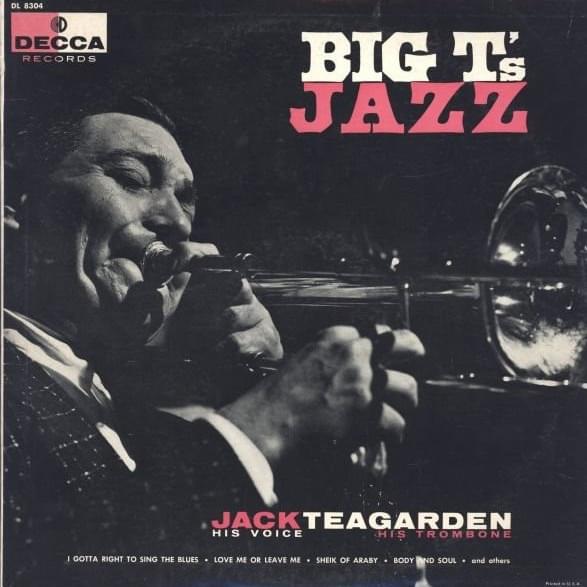
Jack Teagarden's "I Gotta Right To Sing The Blues" isn't just a lament; it's a declaration of emotional sovereignty. Stripped down to its core, the song meaning revolves around the inherent human right to express sorrow, a right seemingly earned through the specific pain of romantic entanglement. The opening lines aren't a plea for sympathy but an assertion of agency: "I gotta right to sing the blues / I gotta right to feel low-down." This isn't wallowing; it's the blues as a form of self-possession. The river, a recurring motif, becomes both a physical location of despair and a metaphor for the relentless, flowing nature of heartache. He's not just *near* the river; he's *down around* it, submerged in its emotional current. The object of his affection, a nameless "certain gal," exists only as the catalyst for this blues-borne catharsis.
The repeated phrase "I gotta right" underscores a deeper psychological truth: that suppressing grief is often more damaging than expressing it. Teagarden isn't asking for permission to be sad; he's claiming it as his due. The song hints at a potential escape, a siren call from the "deep blue sea," suggesting a desire to be swallowed whole by the immensity of his sorrow. This isn't necessarily suicidal ideation, but rather the yearning for oblivion that often accompanies profound heartbreak. The lines, "I gotta right to moan and sigh / I gotta right to sit and cry" emphasize the physical manifestations of grief, the body's involuntary response to emotional trauma. It's a raw, unfiltered expression of pain.
Ultimately, "I Gotta Right To Sing The Blues" transcends the specific narrative of lost love and becomes a universal anthem for the heartbroken. The final line, a defiant assertion of his right to sing the blues, solidifies the song's core message: that sadness, like joy, is a fundamental human experience, and denying oneself the right to feel it is a form of self-denial. Teagarden's rendition, with its understated delivery, only amplifies the song's poignant message, making it a timeless exploration of grief, resilience, and the enduring power of the blues.
 View Artist