Song Meaning
Jack Teagarden's rendition of "Cottage for Sale" isn't just a song; it's a masterclass in melancholic resignation. The lyrics paint a stark portrait of loss, not just of a home, but of an entire shared life. The cottage itself transforms into a physical manifestation of heartbreak, its "shades all drawn," symbolizing the narrator's withdrawal from the world and descent into grief. The contrast between what *was* – "the lawn we were proud of," "our beautiful garden" – and what *is* – "waving in hay," "withered away" – underscores the brutal reality of absence and the decay that grief leaves in its wake. It's a particularly poignant image that speaks to the listener, because they too recognize the pain of love lost. Even if they have never had a cottage for sale, they understand the feeling of a dream that is no more. It's the reason this song resonates so deeply, because it is a universal experience told in the language of jazz.
What truly elevates "Cottage for Sale" beyond a simple lament is the recurring motif of seeing the lost lover's face in every window, only to be met with "empty space." This isn't just about missing someone; it's about the mind's cruel trick of conjuring memories, offering fleeting glimpses of happiness only to snatch them away. It speaks to the obsessive nature of grief, the way the mind replays moments, searching for a different outcome, a way to rewrite the ending. This image is very powerful, and it makes the listener reflect on the many ways that a person can be haunted by memories.
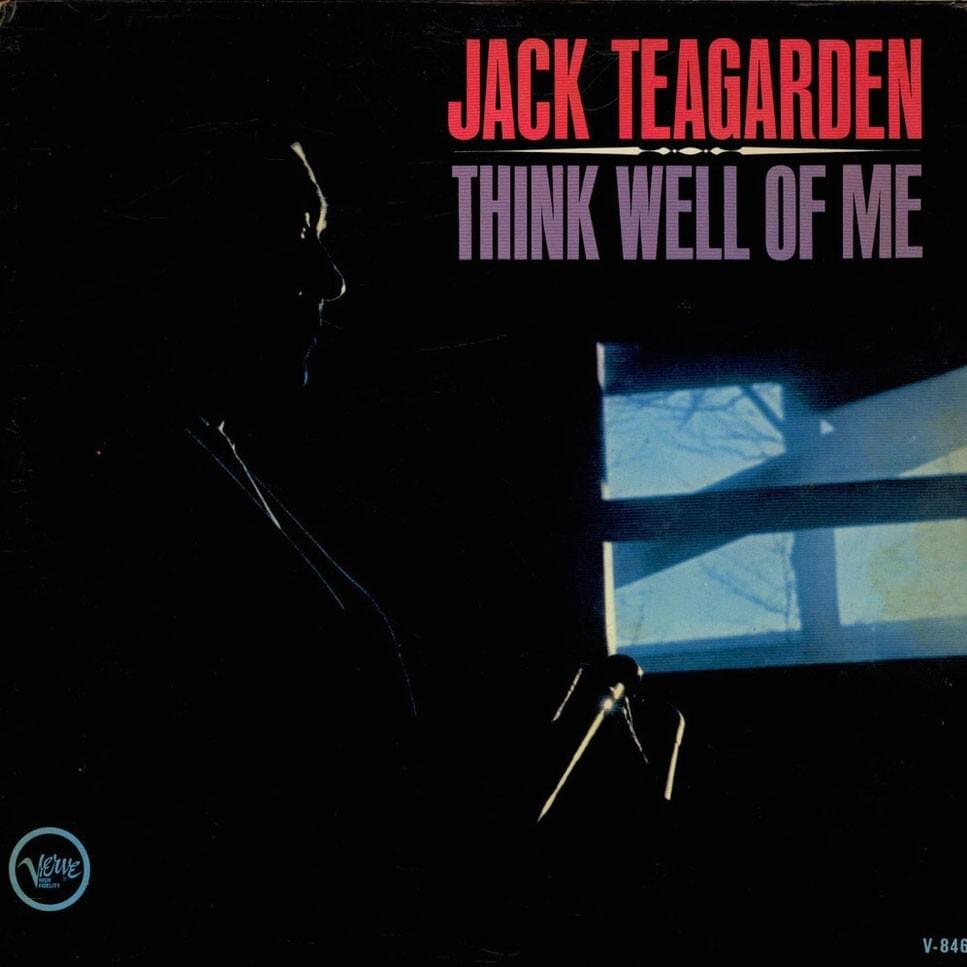
The final verses, with the key still in the mailbox, are particularly devastating. It's a symbol of unchanging routine in the face of profound change, a ghost of habit lingering after the life it served has vanished. The line "no one is waiting for me anymore" is a gut punch of loneliness and finality. The "end of our story is told on the door" suggests that the cottage itself has become a monument to the relationship, a physical testament to a love that's over. Teagarden's performance, imbued with a world-weary tenderness, only amplifies the song's inherent sadness, making "Cottage for Sale" a timeless exploration of loss and the enduring power of memory.
 View Artist