Song Meaning
The narrator preemptively pushes back against any assumption of a simple, trouble-free existence. They list off a series of potential positives – not being old, broken, or sad, not dwelling on the past, having multiple dogs, a full schedule, and music for solace – only to immediately undercut them with the refrain, "Babe, I've still got scars." This creates an immediate tension between outward appearances and internal reality, suggesting that a stable or even happy life doesn't negate past hurts.
The core conflict here is the narrator's desire to be seen accurately, without being pitied or envied. They explicitly state, "I'm not sayin life is bad / No I would not go that far," but then issue a direct plea: "All I'm sayin is don't envy me." This highlights a complex emotional state where the narrator acknowledges their current well-being but insists that past wounds, represented by the "scars," are an indelible part of their identity. The final line, "There, as deep as yours," is a powerful equalizer, implying a shared human experience of hidden pain.
The most striking element of the craft is the repetitive, almost mantra-like structure of the chorus. Each verse builds a picture of a life that *could* be perceived as enviable, only for the "Babe, I've still got scars" to shatter that illusion. This repetition emphasizes the persistent nature of these internal wounds, regardless of external circumstances. The contrast between the mundane, positive details (dogs, music) and the stark metaphor of "scars" is what makes the message land with such impact, suggesting that even a seemingly good life carries invisible burdens.
This writing is effective because it taps into a common, often unspoken, human experience: that outward success or stability doesn't erase past trauma. The narrator's direct address and the bluntness of the "scars" metaphor make the sentiment feel raw and honest. It forces the listener to reconsider their own judgments and assumptions about others, recognizing that everyone carries their own invisible history. The final comparison to the listener's own scars creates a moment of unexpected solidarity, transforming a personal statement into a shared acknowledgment of vulnerability.
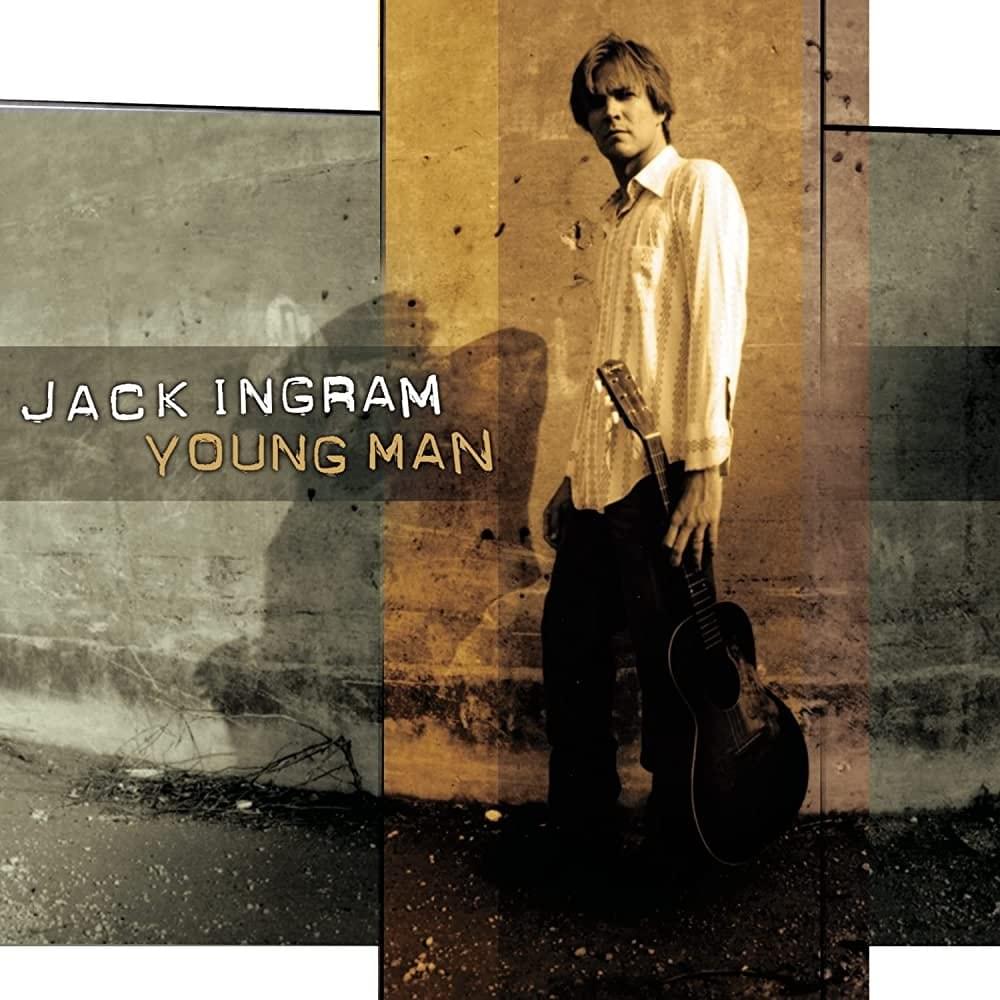
 View Artist